


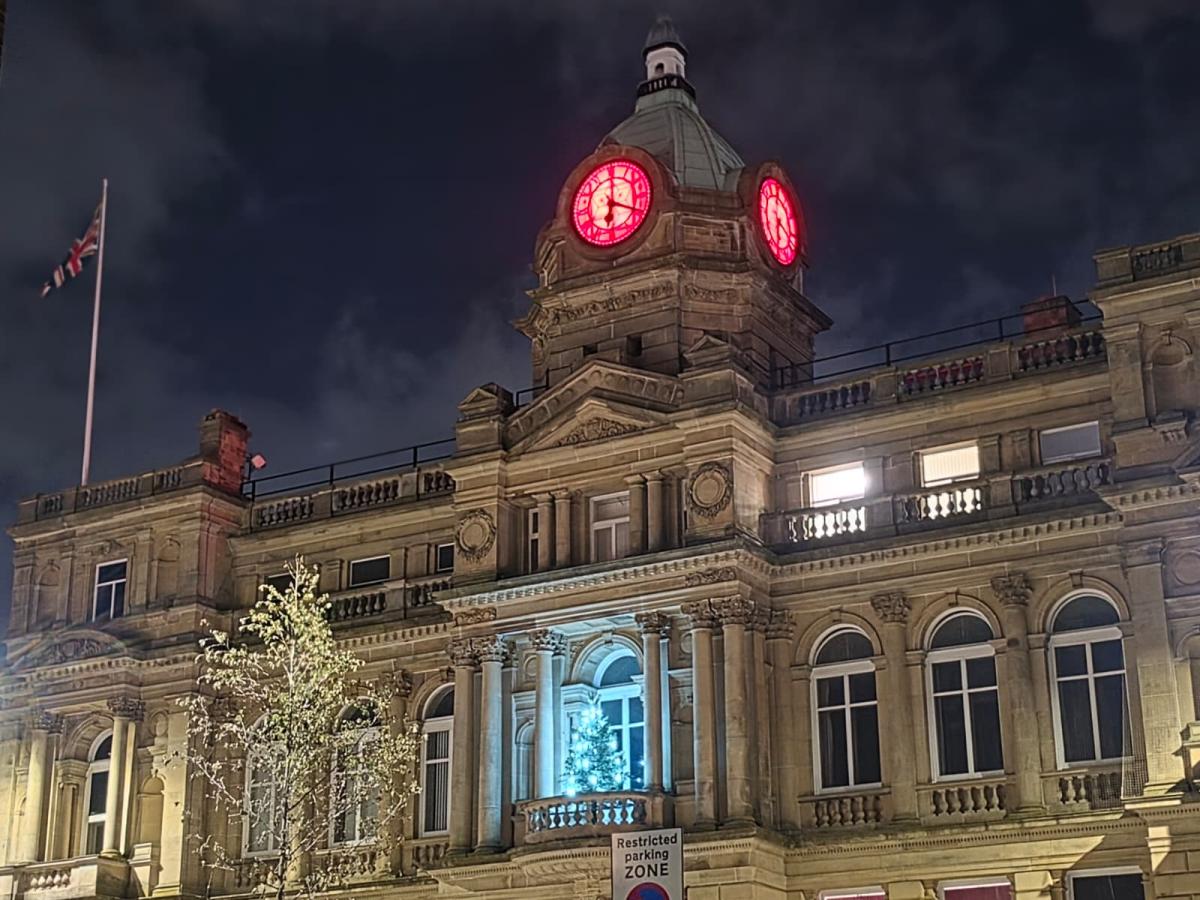

Burnley Council is staring down a major budget shortfall after decisions by central government are set to leave the authority more than £400,000 short this year, and with few means to plug the gap.
The financial warning was raised at a meeting of Burnley’s ruling body on Wednesday night, where councillors discussed ‘unwelcome news’ received in a call between the council’s chief executive and an official at the Ministry for Housing, Communities, and Local Government.
Government officials informed the council a large grant, which had been provided last year to plug a shortfall caused by a change in local government funding, would not be provided again this year.
This means that the council will have to find around £400,000 in savings from its annual £18.7 million budget, which Burnley has previously predicted will have a shortfall of £1.7m if the government removes this funding.

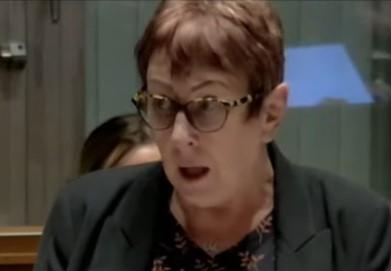
Reacting to the shortfall, Burnley Council’s deputy leader and finance boss Cllr Margaret Lishman told the executive: “I'll just share some unwelcome news that we've had in this last week.
“Last year, we had a shortfall of about half a million and, thanks to the lobbying by the council and by our MP, the government at that stage came up trumps and gave us some additional funding.
“This year, we've already been told there will be a shortfall on the allocation to this council of £400,000, and we will have the responsibility for making up that shortfall.”
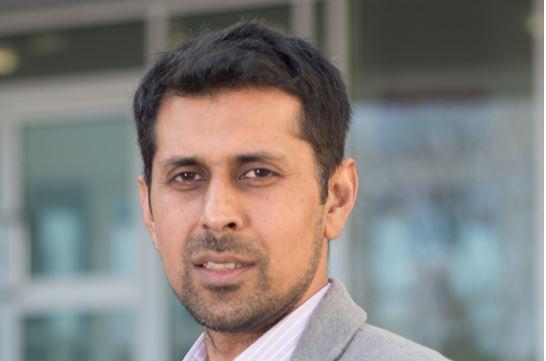
Council leader Cllr Afrasiab Anwar also shared his disappointment in the news with the other members of the executive, adding the news from MHCLG had “severely dented some of the things that people had wanted to do and support our residents.”
The change in funding that has caused this shortfall was the Government’s review of the Fair Funding Formula, which decides what proportion of centralised grants goes to each council.

The new and simplified version of this formula was aimed at providing more money to authorities with the greatest need, including in providing adult social care services.
This meant that Lancashire County Council received a greater uplift.
Meanwhile, Burnley, the fourth most-deprived authority in England, saw its funding decline, as the new formula reversed the previous 90/10 split in its favour.
Now, this grant is being split evenly between upper and lower tier authorities.
In ordinary times, this funding shortfall would be managed as part of multi-year budget planning and forecasting.
However, no authorities in Lancashire are living through normal times, thanks to the transformational Local Government Reorganisation scheme.
This long-awaited reform was revealed in the final days of Sir Keir Starmer’s government in July, when a four-council model was imposed on Lancashire only to be ‘paused’ two months later following a legal challenge from Reform UK.

Effectively, this shelved the plans to create a ‘Pennine Lancashire’ unitary authority, combining Blackburn with Darwen, Rossendale, Hyndburn, Burnley, and Pendle councils, and scrapped the timetable for this reorganisation to be carried out.
The consequences of this for local government in Lancashire have been wide-ranging, with Wednesday night’s meeting of Burnley’s executive showing just some of the ways this has hamstringed councils.
Previously, these local authorities were making financial and budgetary decisions based on the government’s timeline, which would have seen the new councils take power in April 2028.
But now, authorities are having to set balanced budgets for another financial year, with the new councils now expected to take power in April 2029.
This will see Burnley’s shortfall balloon from £900,000 for next year to £1.6m for the next two, assuming the authority raises its council tax precept by the maximum 2.99 per cent each year.
Previous modelling has shown that raising council tax, Burnley’s main revenue-raising power, would only reduce this deficit to around £1.4m, in part due to the high proportion of Band A properties in the borough.
Read more
MP calls for harsher sentence after mum jailed for two years for baby’s cruel death
More offices in Blackburn town centre approved for flat conversion
Historic Darwen mill set to be demolished after being deemed unsafe
It would also place a greater financial burden on Burnley residents in the midst of a cost-of-living crisis, an issue that was also at the top of the agenda on Wednesday night when the executive agreed to freeze most council fees and charges for the coming financial year.
The authority had previously planned to increase fees and charges by two per cent from April 2027, but councillors opted instead for a general freeze, arguing that residents were already facing mounting financial pressures.
The move is expected to widen the council's budget gap. Officers had previously assumed the increase would generate around £121,000 of additional income, but the revised proposals are now expected to bring in only around £15,000 in additional income.
This effectively removes another £106,000 from Burnley’s annual budget, which was set when a fee increase was planned.
Defending the decision in light of the shortfall, Cllr Lishman said: "That becomes more difficult when you have, in the same week as we make that decision, that we're nearly half a million down on the income that we get.
"But we understand the pressure that everybody is under that lives within our borough."
The council said fees would remain frozen despite inflation running at 3.5 per cent and the Bank of England forecasting that it could rise further during 2027.


Share