




Find, save and share Public Notices that affect you in the area.
Search the Public Notice Portal What is the Public Notice Portal?What is the Public Notice Portal?
The Public Notice Portal carries statutory public notices published in local newspapers and is the fastest and most effective way of finding out what is happening in YOUR neighbourhood.
Search the Public Notice PortalOne of Darwen's last surviving textile mills is set to disappear after engineers concluded the Victorian building has become too dangerous and expensive to save.
Blackburn with Darwen Council has now granted prior approval for the demolition of the former mill building at Lorne Street Works, off Blackburn Road, after receiving evidence that the structure had become unsafe.
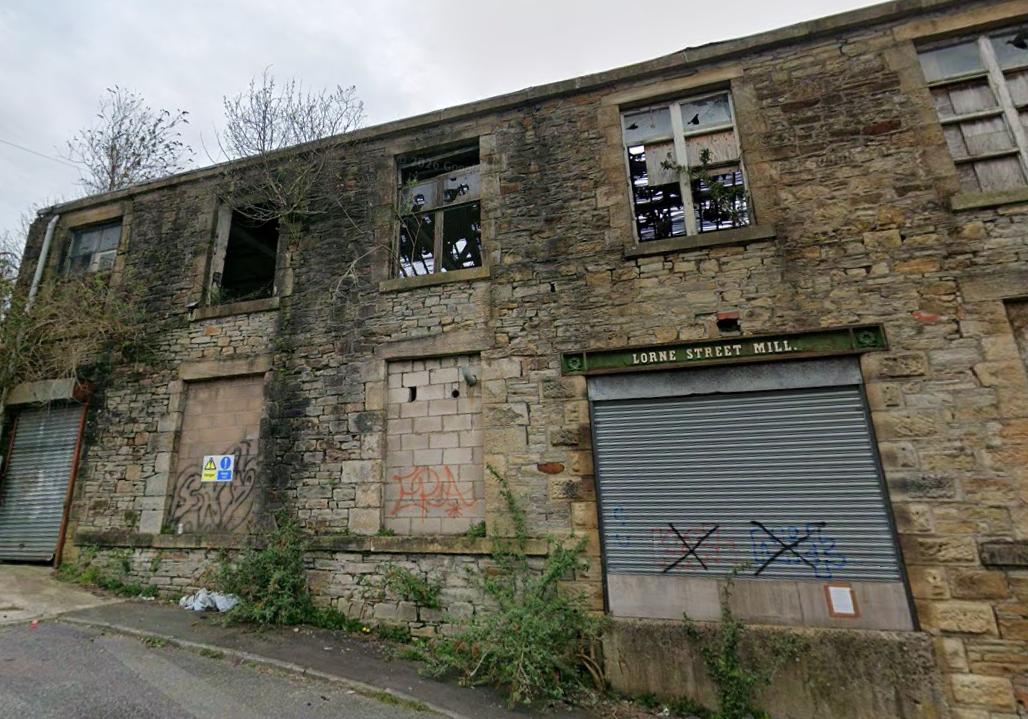
The decision will see the loss of a locally listed heritage asset which has stood since 1887, when it was built by Thomas Eccles during Darwen's cotton production boom. But almost 140 years later, the site is a shell of its former self.
In addition to its shabby appearance, structural reports found extensive deterioration caused by decades of water ingress, which has caused parts of the internal floor structure to collapse, with the rest soon to follow.

Despite these structural issues with the stone building, council heritage advisers acknowledged the demolition would cause a high level of harm because the building is a non-designated heritage asset on the borough's local list.
However, they ultimately agreed that its condition had deteriorated to such an extent that any restoration would not be financially viable.
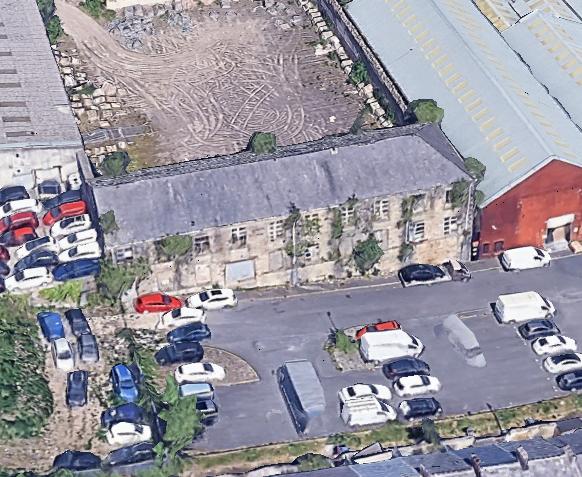
Planning documents describe the building as "structurally unsafe and beyond economical repair", with officers accepting that conclusion after reviewing engineering and condition surveys. The reports also warned the building now poses a risk to road users and vehicles in an adjacent car park.
But once the mill has been taken apart, another symbol of Darwen’s cotton era will have disappeared from its streets.
Records show Lorne Street Mill was built in 1887-88 as a steam-powered cotton weaving mill, when its surviving stone frontage formed part of a large complex.
That structure included a 13-bay weaving shed containing hundreds of looms, together with engine and boiler houses that powered production.
Read more
Darwen day care to be converted into specialist children’s home
Blackburn town centre protection order renewed after three shops see 239 incidents
Council backs Blackburn's cultural revival by delaying £250k rent until 2045
The mill later switched to rayon manufacturing before returning to cotton production, but ultimately closed in 1970 after years of industrial decline.
Over the following decades, much of the site was demolished, leaving the Lorne Street building as one of the last visible reminders of the complex.
Heritage assessments highlighted its stone construction, traditional mill architecture and surviving features including a cast-iron beam bearing the mill's name.
Yet the same assessment found it was among the less complete examples of the town's remaining mill buildings and had stood vacant for decades despite efforts to find a future use. A heritage consultant concluded that bringing it back into productive use would require an unsustainable level of investment.
Demolition is expected to take around four weeks once work begins, according to the application prepared by Naz Shah of Urban Future Planning, the firm that also gained permission to turn a vacant structure associated with the mill into a gym earlier this year.
Contractors will dismantle the Lorne Street mill building in stages, with special measures required because one side of the structure also acts as a retaining wall for a higher-level car park.


Share