



Follow the trail of George Fox through Cumbria and discover the landscapes, people and ideas that sparked a global movement, according to Great British Life.
If you’ve ever eaten a chocolate bar, bought a train ticket, paid fixed prices rather than needing to haggle, or visited an Oxfam shop, then your life has been influenced by the actions of the Quakers.
Likewise, if you’ve voted as a woman, oppose slavery or have ever donated to Amnesty International or Greenpeace, you have played a part in a cause that Quakers helped pioneer.
There would almost certainly be no Quakers, though, if it hadn’t been for a 100-mile hike across Cumbria embarked on by an earnest 28-year-old called George Fox.

In 1652 he climbed a hill in Lancashire, where he had an inward revelation.
He then walked to Sedbergh and finally to Ulverston, where he met Margaret Fell, of Swarthmoor Hall.
It was there that the movement was born.
Today there are over a million Quakers worldwide, in more than 100 countries.
Their origins, though, are in Cumbria, and people travel from all over the globe to walk in the footsteps of the founders.
Although I am from north west England, enjoy walking, and have read George Fox’s journal, it was only this year that I visited some of the historic sites myself to see how they are today.
1652 Country
Quakers refer to the places where their movement was born as ‘1652 Country’.
This particular epithet may owe its popularity in part to Elfrida Vipont, best known today as the author of The Elephant and the Bad Baby, who wrote a guidebook to the area she called 1652 Country, although people had visited the rocks and mountains of Quakerism’s origins for at least a century before.
The modern walker doesn’t need to seek out Vipont’s now out-of-print book.

Today, excerpts from historic texts are seamlessly brought together with modern maps in two pocket-sized guides, titled Friends Way 1 and Friends Way 2.
For the armchair walker, there is a podcast episode in the popular Countrystride series.
For those who prefer to visit sites by car, this too is possible.
Pendle Hill
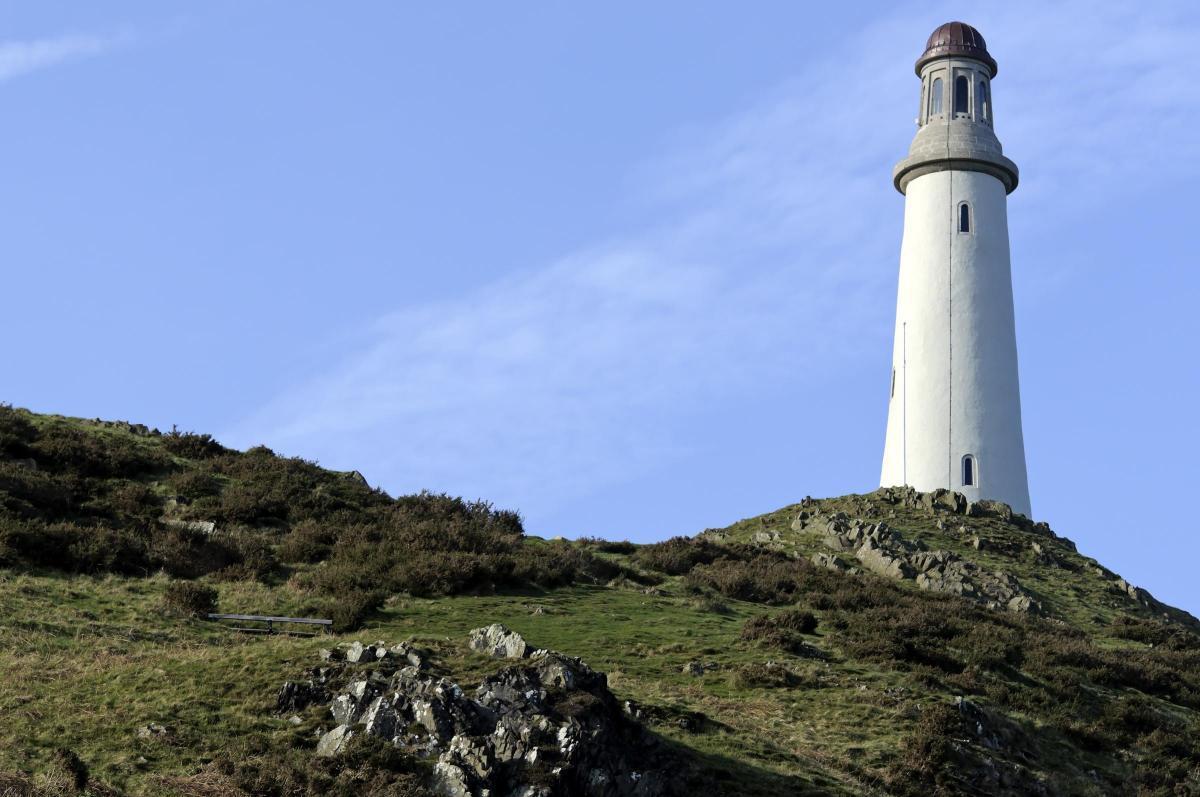
The journey begins in Lancashire, at the famous Pendle Hill, where, according to legend, perhaps the most pivotal moment in Fox’s life occurred.
For a decade he had wandered England, talking and listening, debating and praying, and reading his Bible intently.
In 1652 it all came together, as he realised that God doesn’t live in temples built by human hands, but instead in human hearts.
His 17th-century account depicts Pendle Hill as a wild and remote place, which he climbed ‘with much ado’.
Even though it’s exactly the same shape, and in exactly the same place, it couldn’t really be called wild and remote any more.
It’s a popular local walking spot, with a public bus that can take you halfway up, and a decent path.
There are also some interpretation boards on the route, one of which is conveniently located next to a sheltered, rounded bench, ideal for a moment of contemplation, alone or with others.
The other is located next to some public toilets which are fashioned out of an old pigsty.
Firbank Fell
From there, Fox continued to Sedbergh, and especially to Firbank Fell, where he recruited large numbers of ‘seekers’, fellow people who were also questioning established religion and searching for a new way.
The former Anglican church where the separatists gathered is no longer there.
The rock from which Fox addressed them, though, still is, and a plaque has now been added.
Our directions to get there were to climb the hill until we saw a ‘distinctive tree’ next to a gate.
The instructions were not as difficult as they sounded, but many no doubt miss it.
Despite the sign, the rock now known as ‘Fox’s Pulpit’ is just a rock, as it was then.
If you stand on the rock and speak, though, you will realise that the valley acts as a natural amphitheatre with a remarkable acoustic.
Swarthmoor Hall
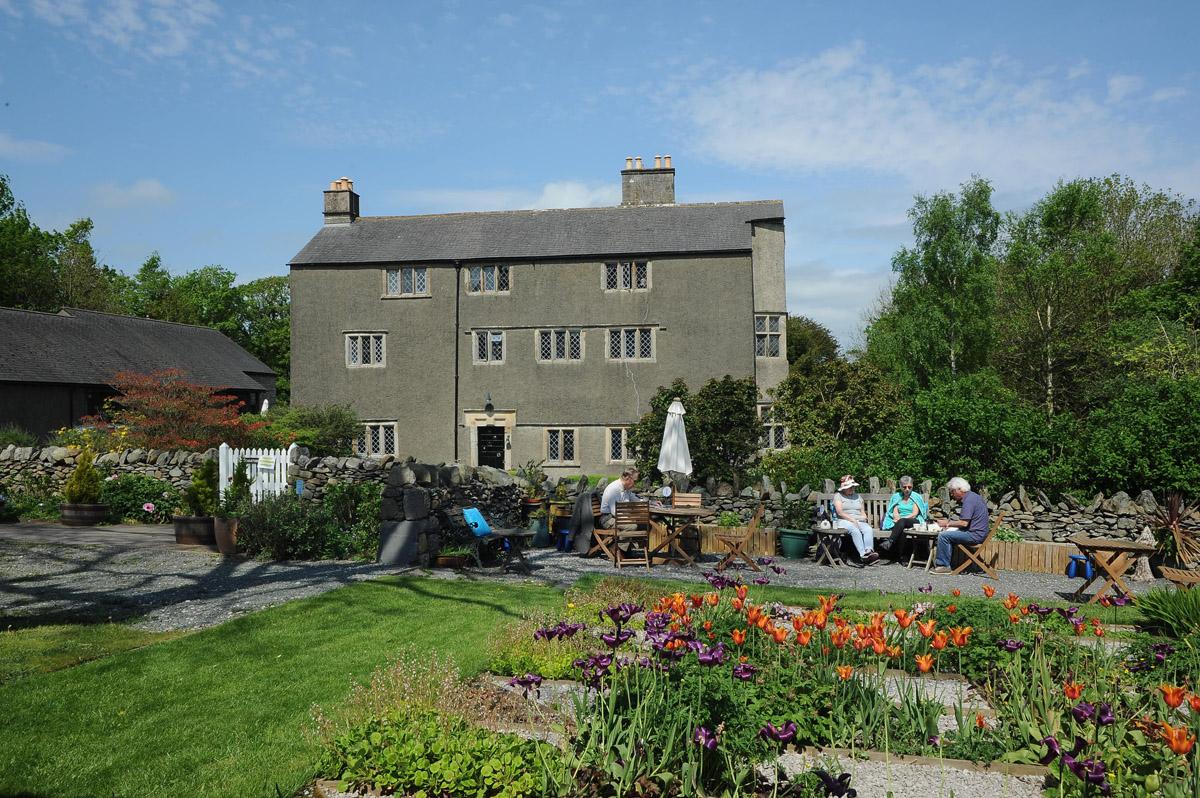
And then, to Ulverston’s Swarthmoor Hall, where there is now comfortable accommodation, and which was my home for the week I was making these visits.
When Fox visited in 1652, Margaret Fell took him to church, where he stood on a pew and challenged the vicar: ‘Thou canst say that Christ sayeth this, and the apostles sayeth this, but what canst thou say, and is it inwardly from God?’
Of course, he was thrown out and beaten, but Margaret Fell was convinced, and the two of them set about gathering people who wanted to form a faith based not on what other people tell us to believe, but instead on what we are taught inwardly, through the heart.
Instead of church services, they began meeting in silence, in a form known today as ‘expectant, waiting worship’.
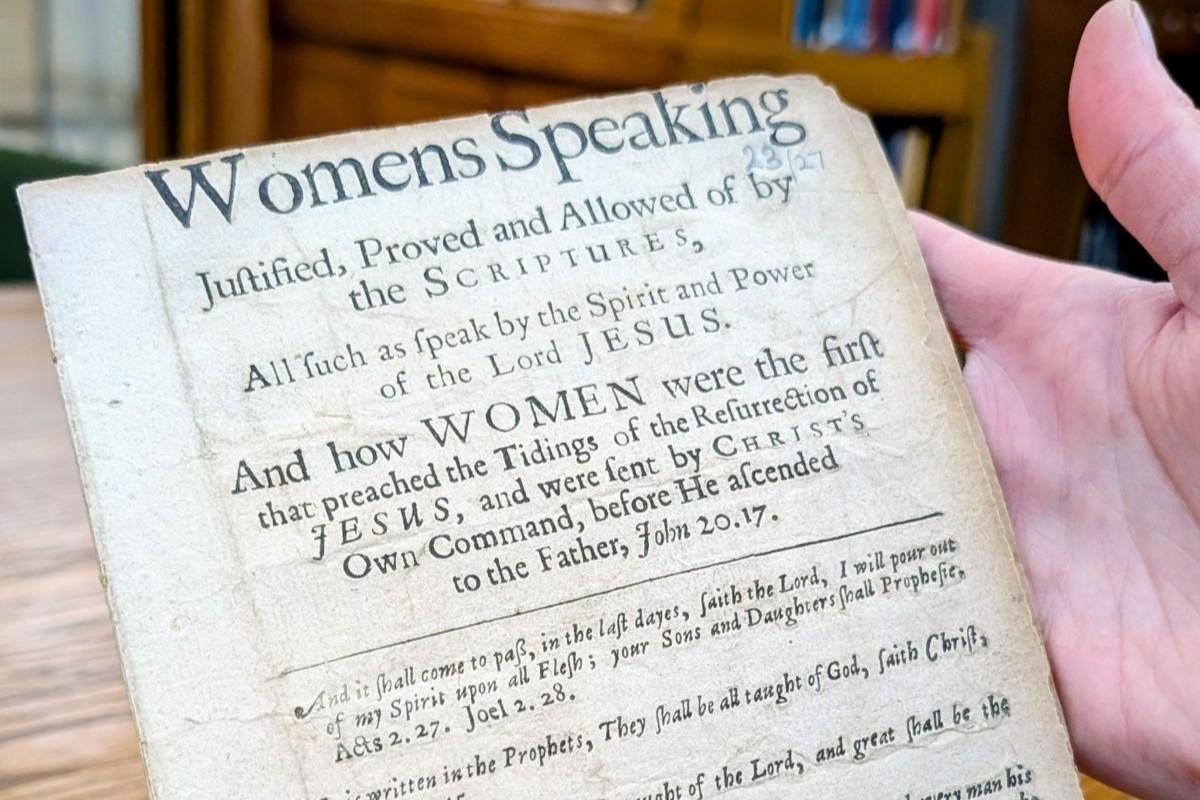
One of the things Margaret Fell was inwardly convinced of was that women had every bit as much right as men to exercise leadership in faith communities.
This brought her into conflict with the male-dominated religious and political authorities.
Quakers also refused to swear on the Bible or pay tithes to the church.
For this, many Quakers suffered time in prison.
But still the movement grew.
Parts of Swarthmoor Hall today serve as a museum, where you can see Margaret Fell’s bedroom and George Fox’s travelling bed, and even sit in silent contemplation in the same room where the first Quakers did likewise.
But that is only part of the picture.
Locals use the rest of the site as a venue for yoga, Pilates, and parent and baby classes, and enjoy the café, which serves ice cream and tea.
Read more
Kendal Quaker Tapestry
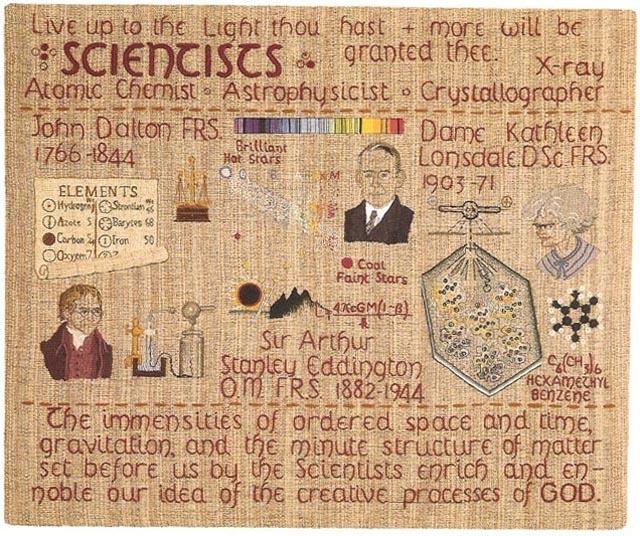
In the geographical centre of this story is Kendal, home to one of the world’s longest-lasting Quaker communities, where people meet for worship every Sunday in the time-honoured way and, every Wednesday, open their doors once again to display the panels of the Quaker Tapestry hosted there.
Sometimes compared to the Bayeux Tapestry, the Quaker Tapestry tells the story of the movement’s Cumbrian beginnings and how it drove innovation in industry, technology, science and social causes.
The tapestry itself was woven together by 4,000 people in 15 countries.

Despite winning the prize for Small Visitor Attraction of the Year in the 2025 Cumbria Tourism Awards, in early 2026 it closed to the public briefly, weighed down by rising bills and costs.
I visited on the day of its joyful reopening, but at the time of writing, plans for its future are unconfirmed.
What is confirmed, though, is the future of the movement it documents.
In recent years, the global number of Quakers has doubled.
In the UK too, after years of decline, numbers are once again going up.
So it seems that even as the world becomes more turbulent, people worldwide are finding the inward peace that George Fox found on his hike through Cumbria nearly four centuries ago.
For more articles like this, subscribe to Lancashire Life.


Share