



Major plans have been submitted which could transform a long-derelict part of Lancaster city centre with a new hotel, homes, student accommodation and an entertainment venue.
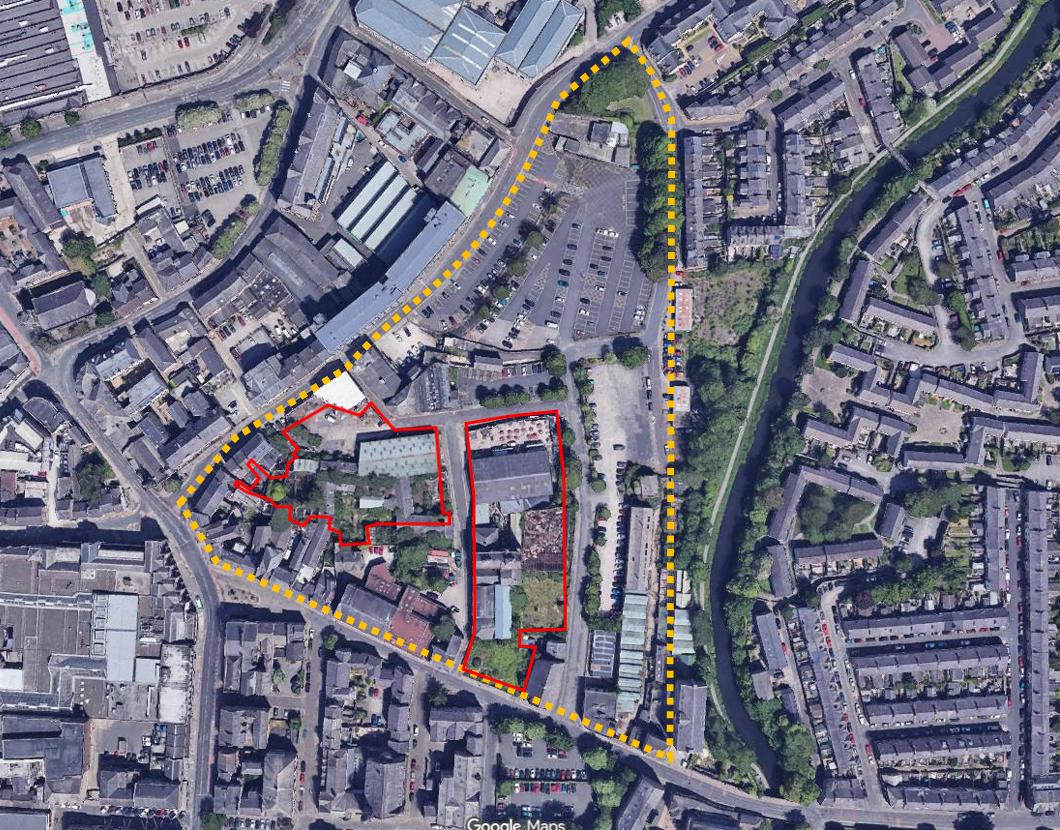
Developer Lanmara Developments Limited has submitted a hybrid planning application to Lancaster City Council for the redevelopment of land east and west of Brewery Lane, forming part of Lancaster's Canal Quarter.
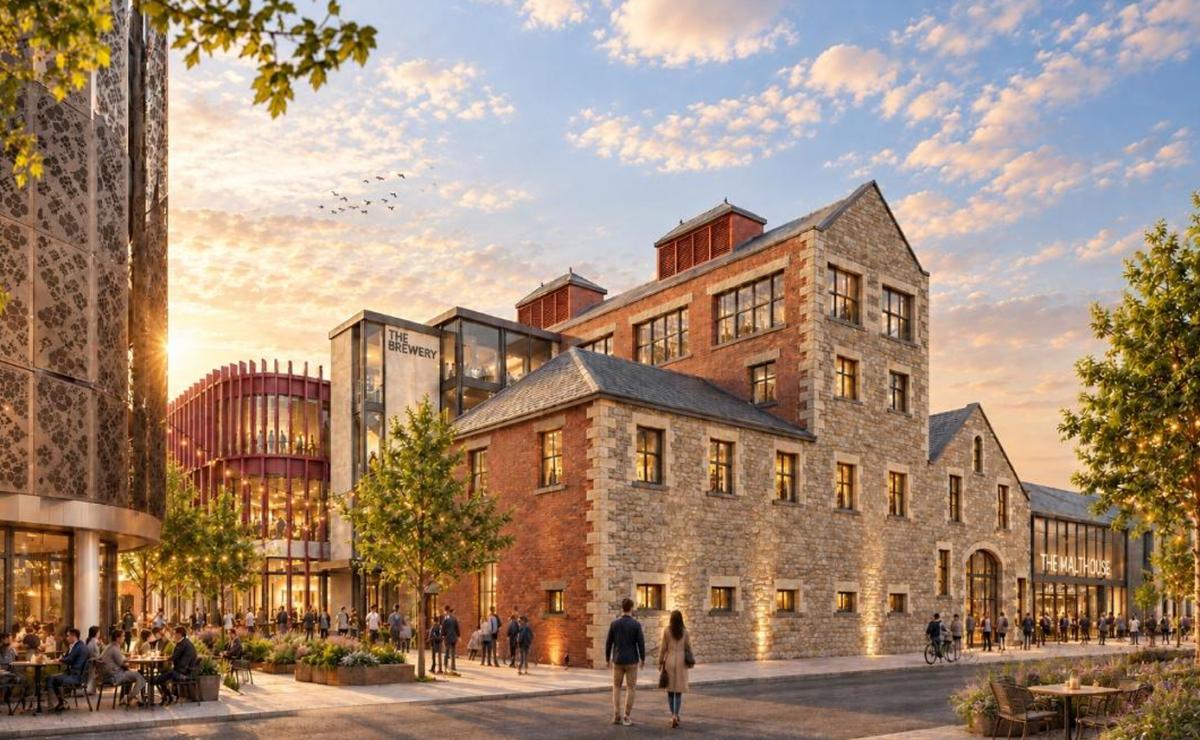
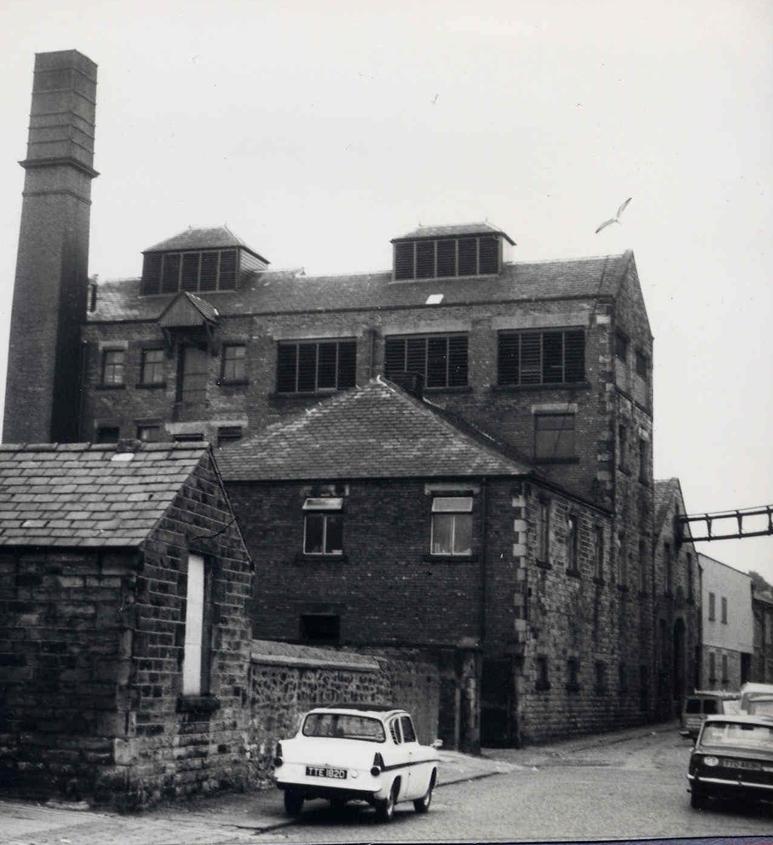
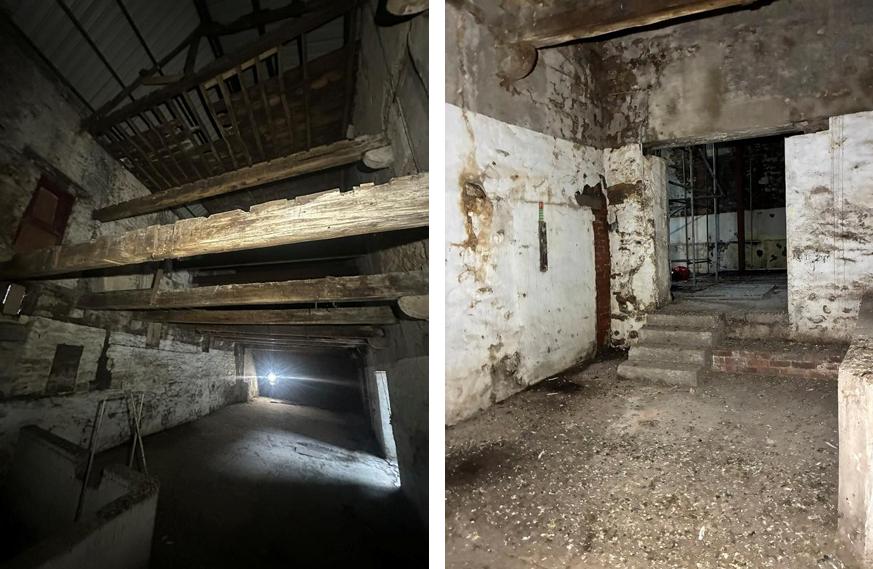
The plans centre around the historic Brewery Buildings, which would be restored and converted into a multi-purpose entertainment venue alongside flexible office space.

Documents submitted with the application envisage the venue being used as a food hall and music venue.
Full planning permission is also being sought for a new hotel with a ground-floor restaurant and a "Mobility Hub", incorporating a multi-storey car park and commercial space.
Other existing buildings would be converted for residential and/or storage use, while a separate listed building consent application covers works to the Grade II listed Brewery Buildings.
- Follow the Lancashire Telegraph's Lancaster and Morecambe Facebook page here
The wider outline element of the application proposes a phased mixed-use development containing residential and commercial space, purpose-built student accommodation and EV charging facilities alongside new public realm and landscaping.
Documents assessing the impact on healthcare indicate the scheme could ultimately contain around 125 apartments and 150 student bed spaces, potentially bringing an estimated 450 residents and students to the site.
The proposals have been described by the applicant's planning consultants, AshtonHale, as a "significant and transformational opportunity" to deliver long-standing regeneration ambitions for the Canal Quarter.

Its covering letter says the development would bring "substantial benefits to Lancaster" and has been subject to discussions with the council, key stakeholders and the local community.
The development would also feature significant new landscaping.
An arboricultural assessment identified four individual trees and three groups around the site.
Two low-quality groups would need to be removed to make way for the development, while another two trees have been recommended for removal irrespective of the scheme because they are considered unsuitable for long-term retention.
Plans indicate around 49 new trees could be planted across the development.
However, the project's biodiversity assessment found the present proposals would not themselves deliver the statutory 10 per cent biodiversity net gain required.
- Sign up to the Lancaster + Morecambe News newsletter for your weekly update of news from across the area here
Using the site's pre-clearance ecological baseline, the assessment calculates a 62.12 per cent net loss in habitat units, leaving a deficit of 1.57 habitat units against the amount required to achieve a 10 per cent gain.
The report recommends additional tree and scrub planting, but says off-site biodiversity units or statutory credits could be used if sufficient gains cannot be delivered on the site.
The council's biodiversity officer has accepted the biodiversity metric in draft form, but said it anticipates a requirement for off-site units and that this requirement could increase before a final biodiversity submission is made.
Further bat emergence surveys will also be required at the Old Brewery Building, which has been identified as having "moderate potential" for bat roosts.

If bats are found, mitigation could require a protected species licence from Natural England.
The council has also recommended incorporating bat boxes and swift bricks into the development and carrying out further assessments of its proposed lighting.
Archaeology is another consideration due to the history of the site and its location close to the heart of historic Lancaster.
An archaeological assessment says the site has a high potential for post-medieval remains and moderate potential for Roman and medieval archaeology.
It says the main interest is likely to be surviving foundations associated with former post-medieval buildings, although previously unknown Roman or medieval remains could also survive underground.
Trial trenching has been recommended but the assessment concludes there are "no overriding archaeological constraints" which would prevent the development going ahead, providing appropriate investigation and mitigation is undertaken.
The proposals have, however, prompted concerns over their potential impact on GP services.
The Lancashire and South Cumbria Integrated Care Board estimates the development could generate approximately 450 new patient registrations and is asking the developer to pay a £145,800 contribution towards increasing local general practice capacity.
The money would go towards converting the former Poundland premises at Marketgate shopping centre to provide additional clinical capacity.
The ICB says nearby Lancaster Medical Practice sites at King Street and Dalton Square are constrained and cannot accommodate the additional growth expected from the development in their existing premises.
Its consultation response warns: "Failure to secure the contribution we have requested effectively means that we are objecting to the application."
The ICB says the contribution should be available from the commencement of the development so additional GP capacity can be provided ahead of the expected population growth.
The hybrid planning application and associated listed building consent application were submitted on October 23 and will be determined by Lancaster City Council.


Share