



At first glance, it looks like one of those place names that requires a little patience to pronounce.
But Cholmondeley, a small village in Cheshire, has a name that is considerably easier to say than it is to spell.
Despite its lengthy appearance, the name is pronounced "Chum-lee", rather than attempting to sound out each individual letter.
And while the unusual pronunciation might be enough to catch the attention of visitors, there is considerably more to discover about this historic corner of the Cheshire countryside.
Located north east of Malpas and west of Nantwich, Cholmondeley is a quiet rural parish surrounded by farmland, woodland and historic estate grounds.
It is also less than an hour and a half from parts of Lancashire, making it a potential destination for anyone looking to explore somewhere a little different.
According to Cholmondeley and Chorley Parish Council, the name derives from the Old English words meaning "clearing of Ceolmund".
The name Ceolmund itself is thought to combine two elements, with "ceol" meaning ship and "mund" meaning protection.
The spelling might seem unusual, but the pronunciation has a long history.
Indeed, the name was recorded in historical documents long before its modern spelling became established.

A village with a fascinating aristocratic connection
One of the most significant parts of Cholmondeley's history is its connection to the Cholmondeley family, which has held land in the area for centuries.
The family can trace its connection to the estate back to the 12th century, according to Historic England.
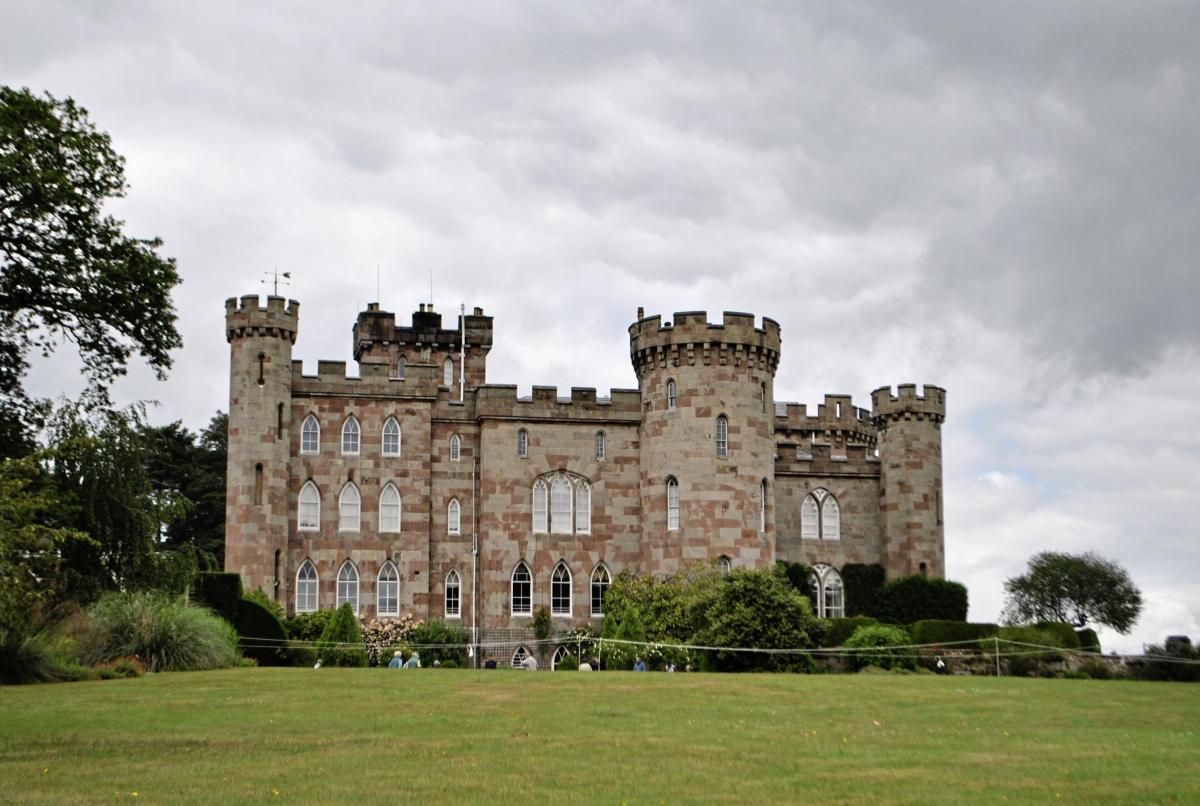
The estate eventually became associated with one of Cheshire's most recognisable historic landmarks, Cholmondeley Castle.
The castle, which stands on a low hill overlooking the surrounding countryside, looks rather different from the traditional medieval fortresses many people might imagine.
Its distinctive Gothic-style appearance comes from its crenellated sandstone construction, complete with turrets and towers.
Construction began in 1801 and the original building was completed in 1804.
It was designed by the fourth Earl of Cholmondeley, working alongside local architect William Turner of Whitchurch.
The building was subsequently enlarged, with further towers and architectural features added during the 19th century.
Today, the castle and its surrounding parkland are recognised for their historic importance.
Historic England has listed the castle itself at Grade II* and registered its surrounding park and gardens as a Grade II historic landscape.
The village that disappeared
But perhaps one of the most intriguing parts of Cholmondeley's past is that the original medieval village may have disappeared altogether.
Historic England records Cholmondeley as a lost village, with its name appearing in the Domesday Book of 1086 and in later historical documents.
However, there is no surviving trace of the original settlement.
One explanation is that the village was cleared during the development of the estate and its extensive gardens in the 1690s.
The landscaping of large country estates sometimes involved moving or removing existing settlements to create the desired parkland and gardens.
The possibility that an entire medieval community was displaced to make way for an aristocratic estate adds another fascinating chapter to the area's history.
A historic estate surrounded by Cheshire countryside
The estate remains one of the defining features of the surrounding landscape.
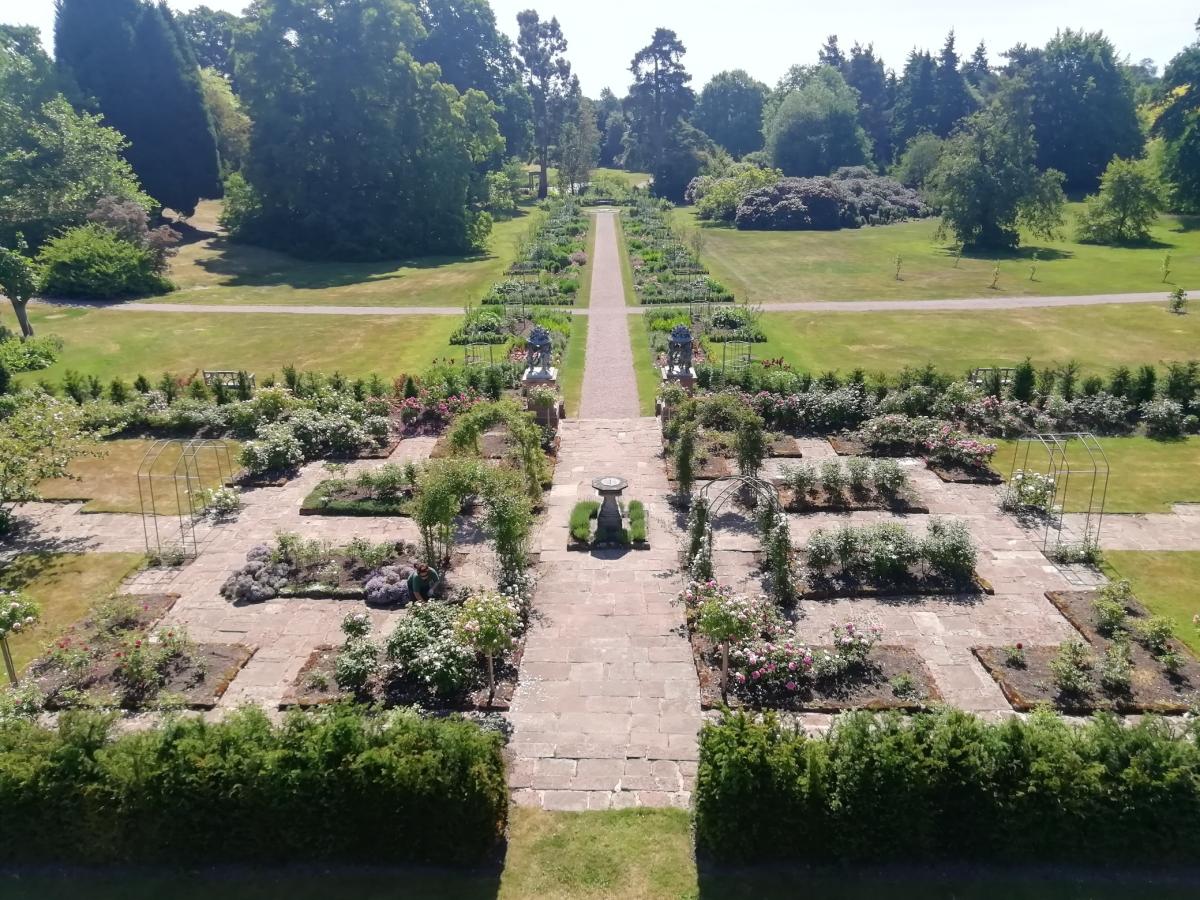
Its grounds include extensive parkland, mature trees, woodland and two large natural meres known as Chapel Mere and Deer Park Mere.
Historic England describes the gardens as having a history stretching back several centuries.
During the late 17th century, major improvements were made to the gardens around the earlier family residence.

The work involved prominent landscape gardeners and craftsmen, including George London and Jean Tijou.
Some of the original decorative ironwork has survived and was later incorporated into the grounds surrounding the present castle.
The park itself was extensively landscaped during the 18th century, with William Emes commissioned to undertake improvements in 1777.
The result is a historic landscape that combines formal gardens, open parkland and natural features.
A surprisingly small Cheshire parish
Despite its impressive historic connections, Cholmondeley is not a large settlement.
According to figures cited by the local parish council, its population was just 157 at the 2011 Census.
Much of the parish remains agricultural, with cattle pasture, arable land and extensive areas of woodland.
The estate also supports rare-breed animals, including Longhorn cattle, sheep and goats.
Nearby settlements include Bickerton, Chorley and Croxton Green, while the larger town of Malpas is a short distance away.
For anyone exploring Cheshire, Cholmondeley offers something rather different from the county's better-known market towns.
It has an unusual name, a centuries-old aristocratic connection, a distinctive castle and the intriguing story of a medieval village that may have vanished beneath the grounds of a country estate.


Share