



It looks as though it should be pronounced exactly as it is written, but Keswick is one of those Lake District place names that can leave visitors second-guessing themselves.
The correct pronunciation is “KEZ-ick”, rather than sounding out every letter in the name.
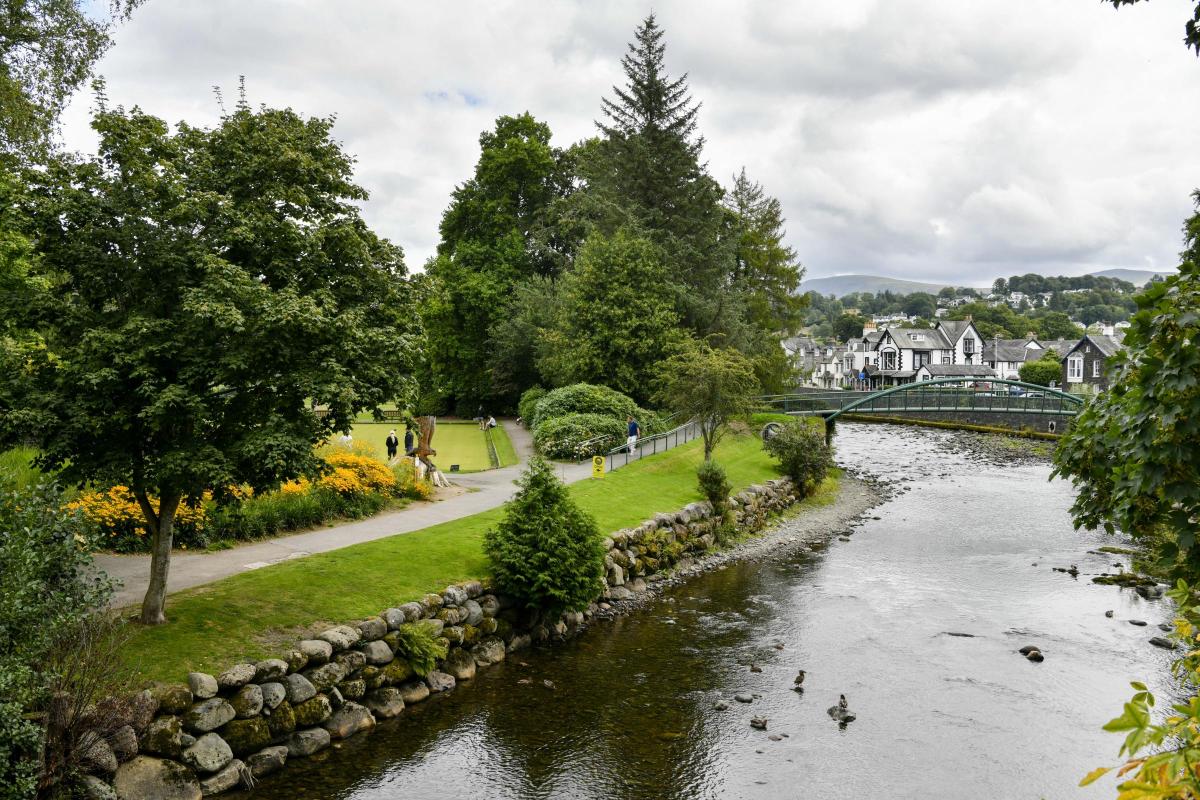
And while the Cumbrian town is best known today for its spectacular scenery, lakeside walks and mountain views, there is much more to Keswick than its popularity with tourists.
Sitting on the northern shore of Derwentwater and surrounded by the dramatic fells of the Lake District, Keswick has a history stretching back centuries, with an unusual connection to pencil-making and a prehistoric monument nearby that has stood for thousands of years.
The town's name is thought to derive from an Old English term meaning “cheese farm”, although its precise origins have been debated.
Keswick developed as a market town and became an important centre for the surrounding communities, with its central market square remaining a focal point for visitors and residents today.
But one of the area's most surprising claims to fame has little to do with walking boots or mountain climbing.
The surprising story behind Keswick's pencils
Keswick has a long association with the pencil industry, thanks to the discovery of graphite in nearby Borrowdale during the 16th century.
The material was initially valued for its ability to leave a dark mark and was reportedly used to mark sheep.

Its discovery eventually helped establish a local pencil-making industry that became famous for the quality of its products.
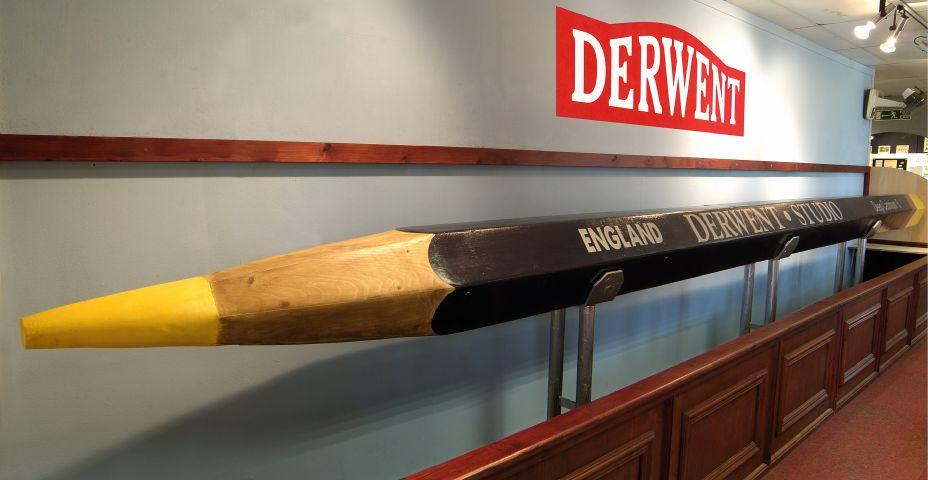
The story is explored at the Derwent Pencil Museum, where visitors can learn how the industry developed and discover the history of pencil production in the area.
The museum offers a rather different attraction from the mountain trails and lakeside scenery that usually draw people to the town.
It is a reminder that Keswick's history has been shaped not only by its landscape but also by the natural resources found in the surrounding countryside.
The ancient mystery just outside the town
Keswick's history reaches back much further than its industrial past.
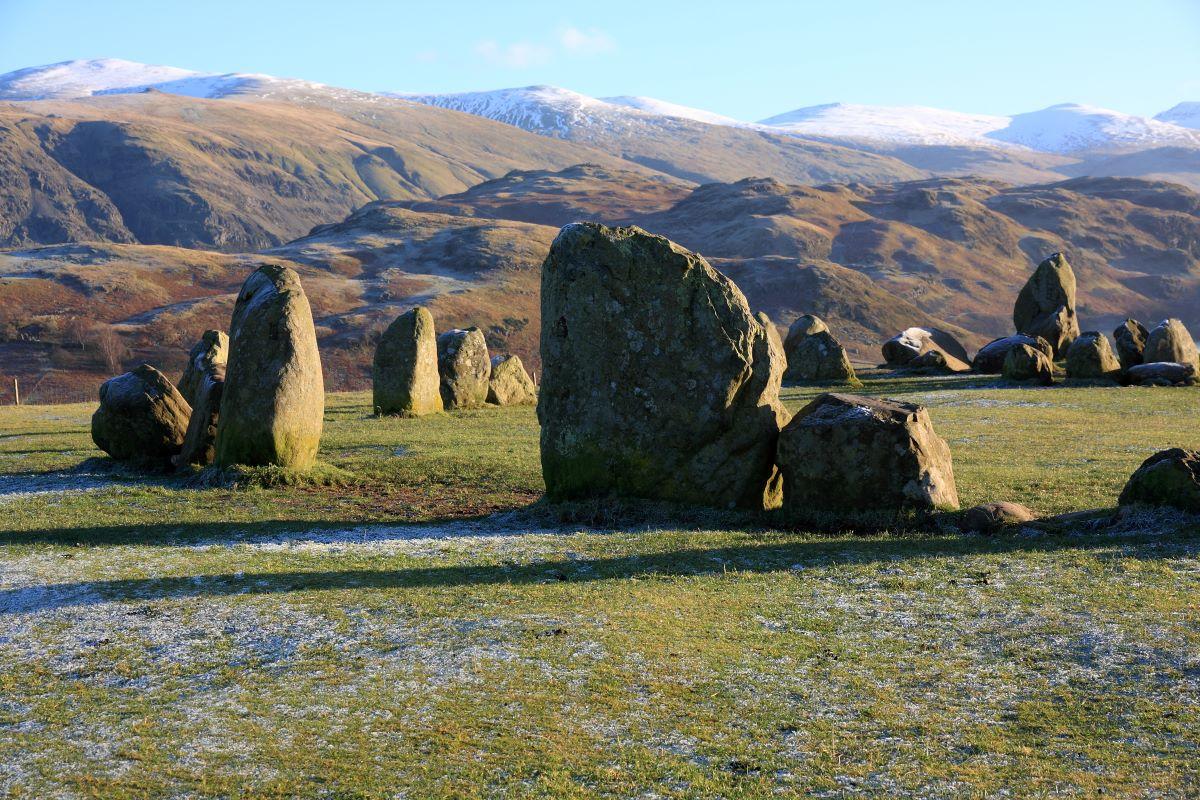
A short distance from the town stands Castlerigg Stone Circle, one of the Lake District's most remarkable prehistoric landmarks.
Believed to date from around 3000 BC, the circle contains 38 standing stones arranged on an elevated plateau, with panoramic views towards surrounding mountains including Helvellyn and High Seat.
Its original purpose remains uncertain.
Like many prehistoric monuments, it may have been used for ceremonies, gatherings or activities connected with the changing seasons.
Whatever its purpose, the site offers a striking reminder that people were gathering in this landscape thousands of years before Keswick became a busy market town.

The combination of ancient stones and mountain scenery has also made Castlerigg a popular stop for visitors exploring the area.
Why Keswick became a tourist favourite
The town's appeal grew as the Lake District attracted increasing numbers of visitors during the 18th and 19th centuries.
Artists, writers and travellers were drawn to the region's dramatic scenery, helping establish the Lakes as one of Britain's most celebrated destinations.
Today, Keswick remains a popular base for exploring the surrounding countryside, with Derwentwater offering opportunities for boating, lakeside walks and trips on the water.
The nearby fells attract walkers of different abilities, while the town itself has independent shops, cafés, pubs and a traditional market atmosphere.
Despite its popularity, Keswick retains a distinctive identity shaped by its history, landscape and links to local industry.
From a centuries-old pencil-making tradition to a mysterious stone circle dating back thousands of years, the town has plenty to offer beyond its postcard-perfect views.
And if you're planning a visit, there is one small detail worth getting right before you arrive.
It's Keswick; that's “KEZ-ick”, not “Kes-wick”.


Share