


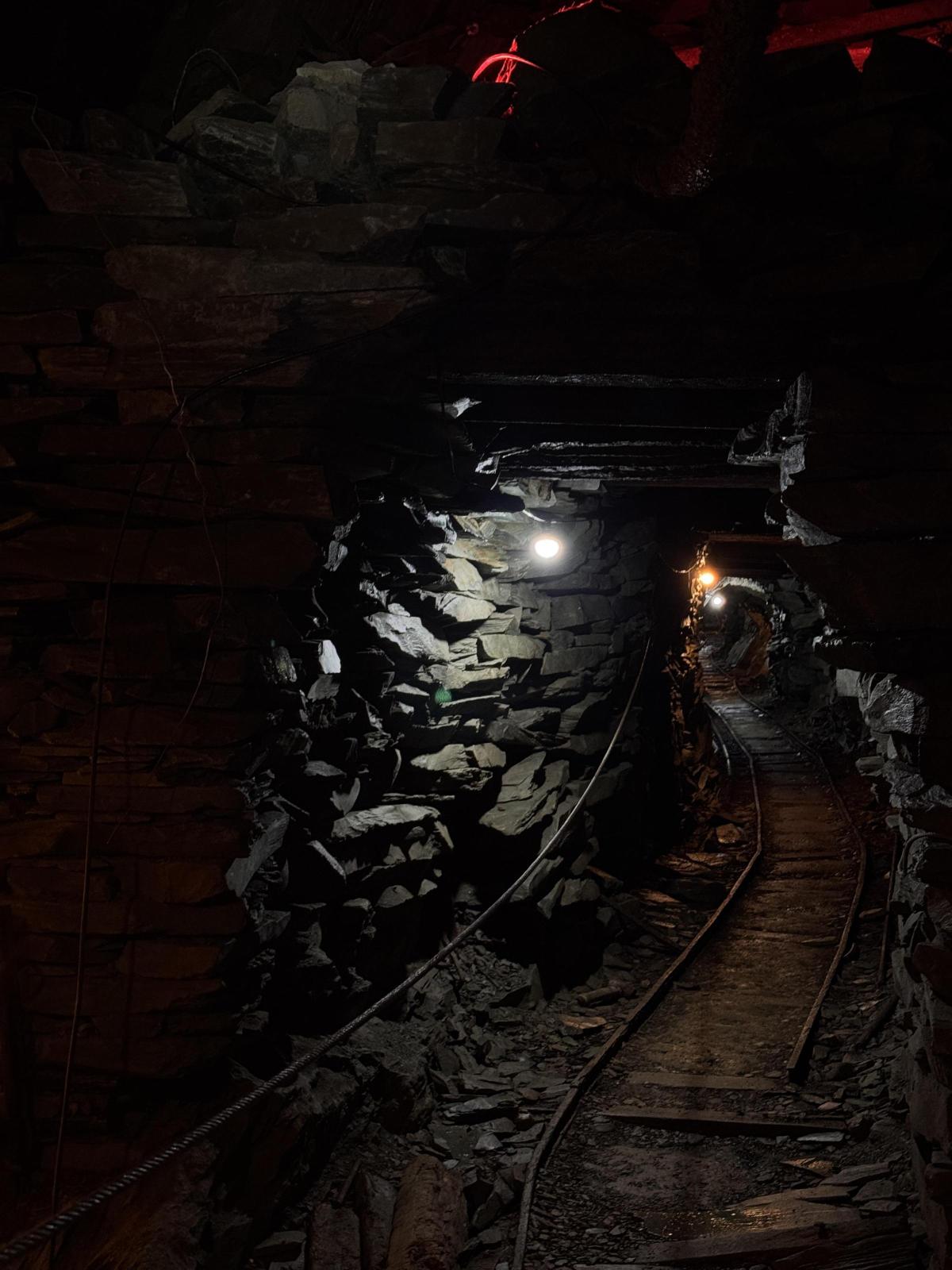

I have an arguably strange fascination with mines.
So when the opportunity came to travel to Honister Pass and climb through the old workings of England’s last surviving slate mine, I said yes rather quicker than I probably should have.
And I’m very glad I did.
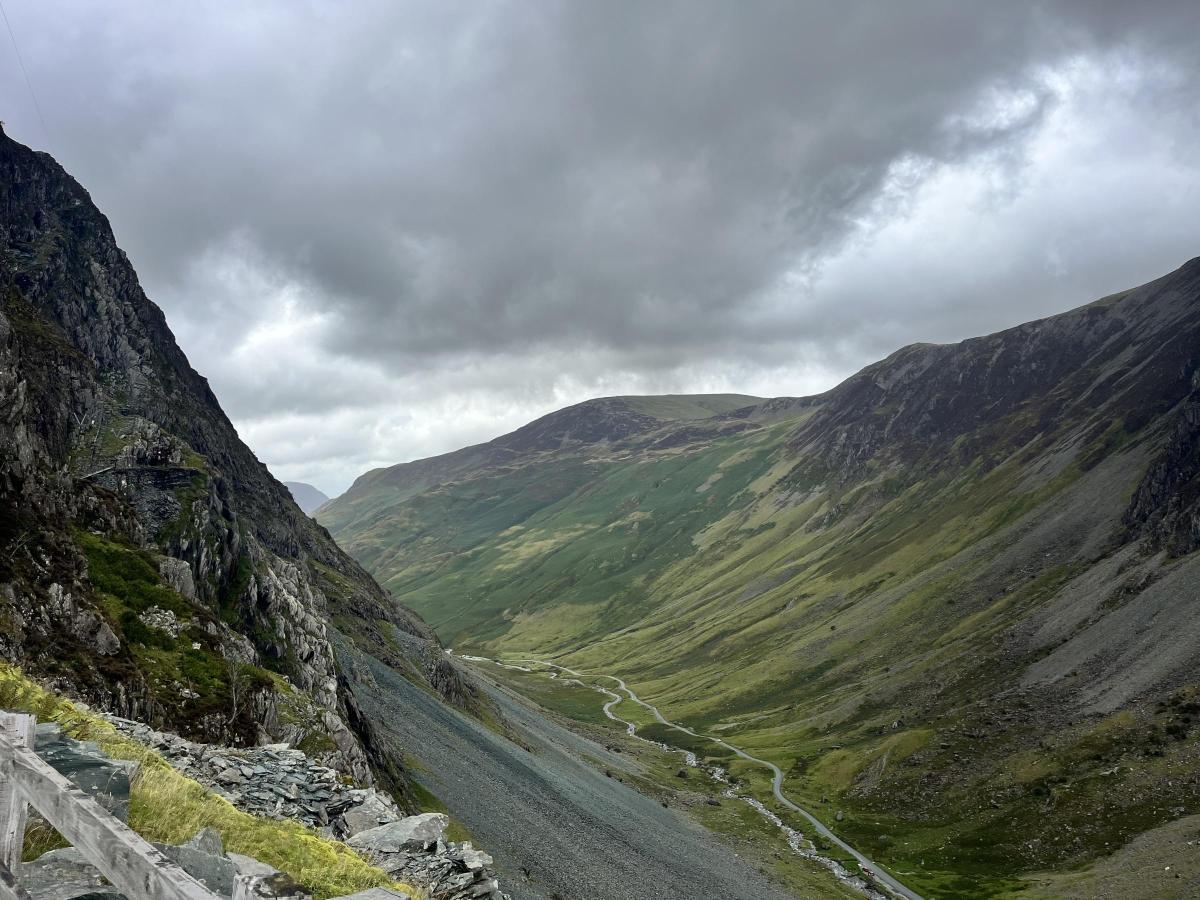
There is a moment on the approach to Honister when the Lake District seems to change character.

Forget the postcard views of Windermere and Grasmere for a moment.
Here, the roads narrow, the mountains close in and first and second gear become your best friends.
In the rain, with drops peppering the windscreen, the drive was an experience in itself.
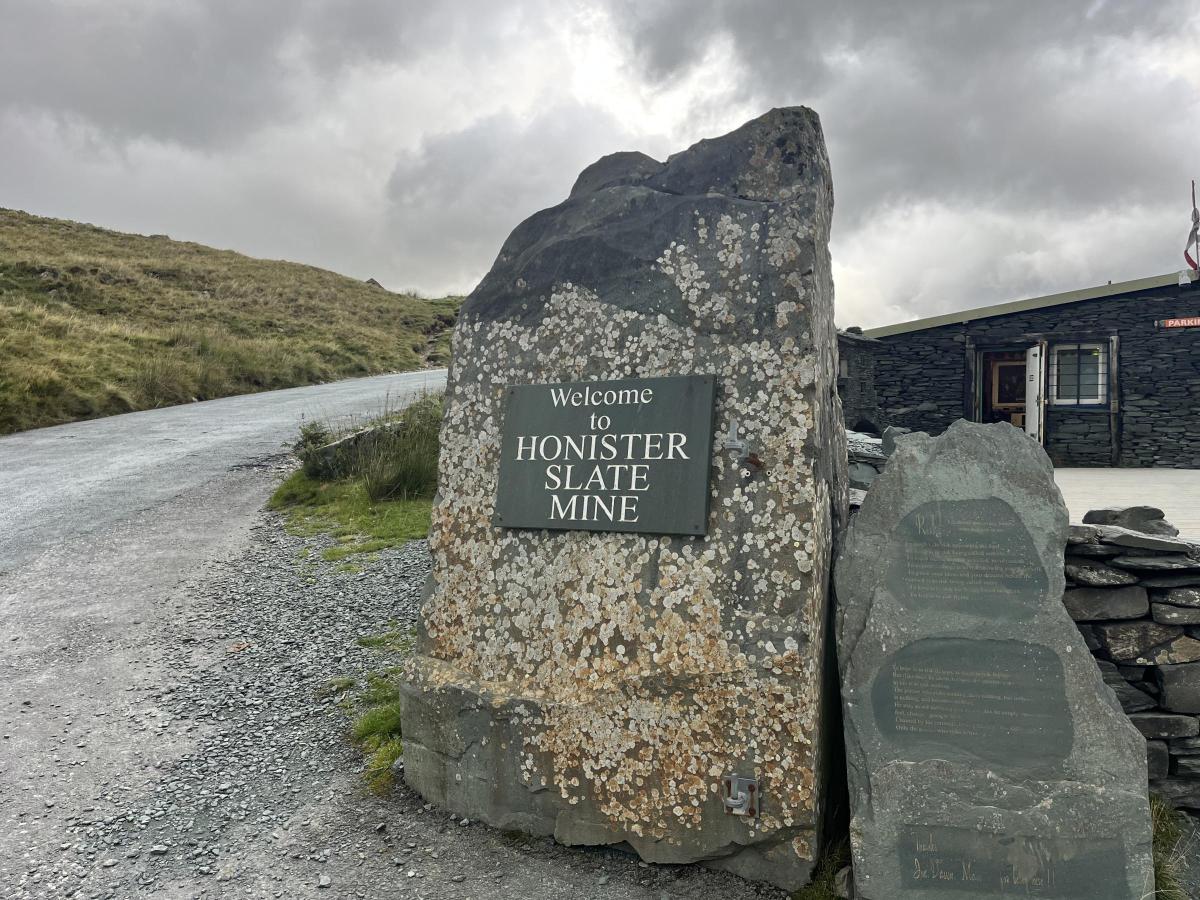
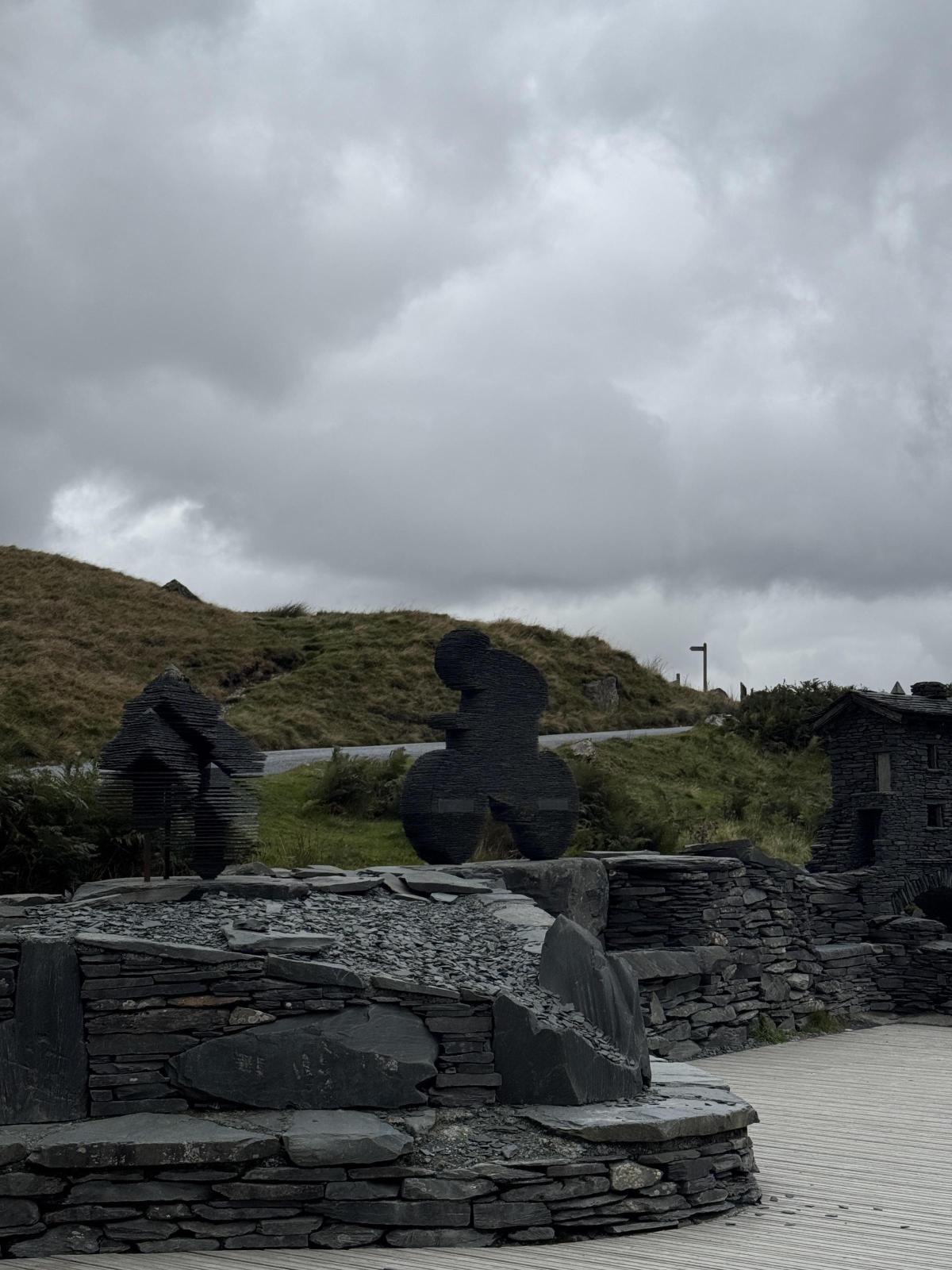
At the top, Honister Slate Mine appears almost out of nowhere, its slate buildings and walls rising from the dramatic landscape of Honister Pass.
There is no phone signal and few distractions. It feels slightly removed from the modern world.
And Honister isn't simply a tourist attraction.
It remains a working slate mine.
The mine's modern operations stopped in 1989 before Mark Weir reopened it in 1997, bringing slate production back to life and developing its tourist side.

I was there for Climb the Mine, a roughly two-and-a-half-hour underground adventure combining the history of the workings with rope bridges, ladders, climbing sections and a zip line.
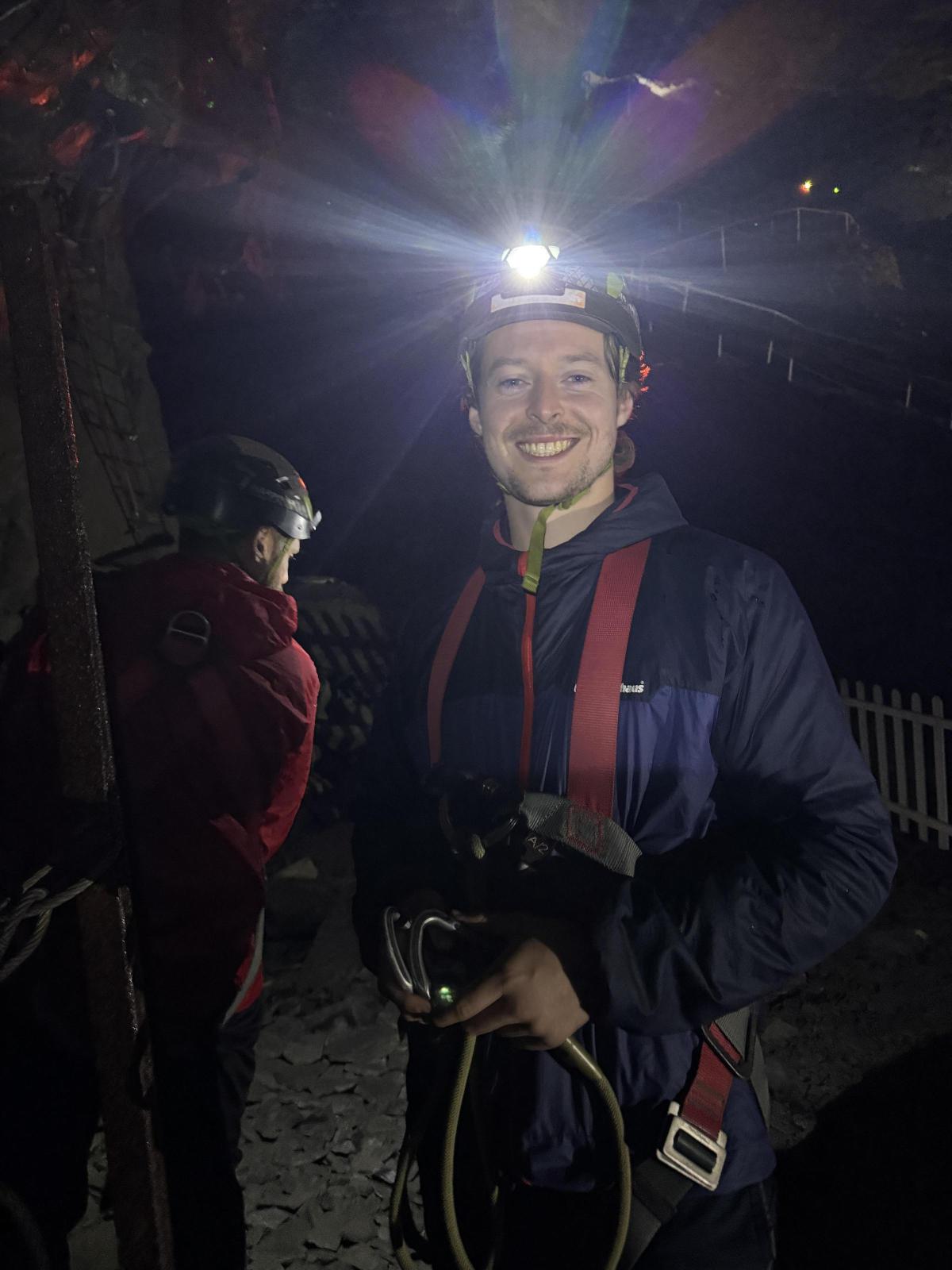
Kitted out with a helmet, harness and headtorch, our group was taken into the mountain.
Almost immediately, the outside world disappeared.
We ducked through narrow passages that once formed part of a miner's route to work, with slate walls closing in around us and old mine workings providing a very literal connection to the generations who spent their working lives underground.

Then the climbing began.
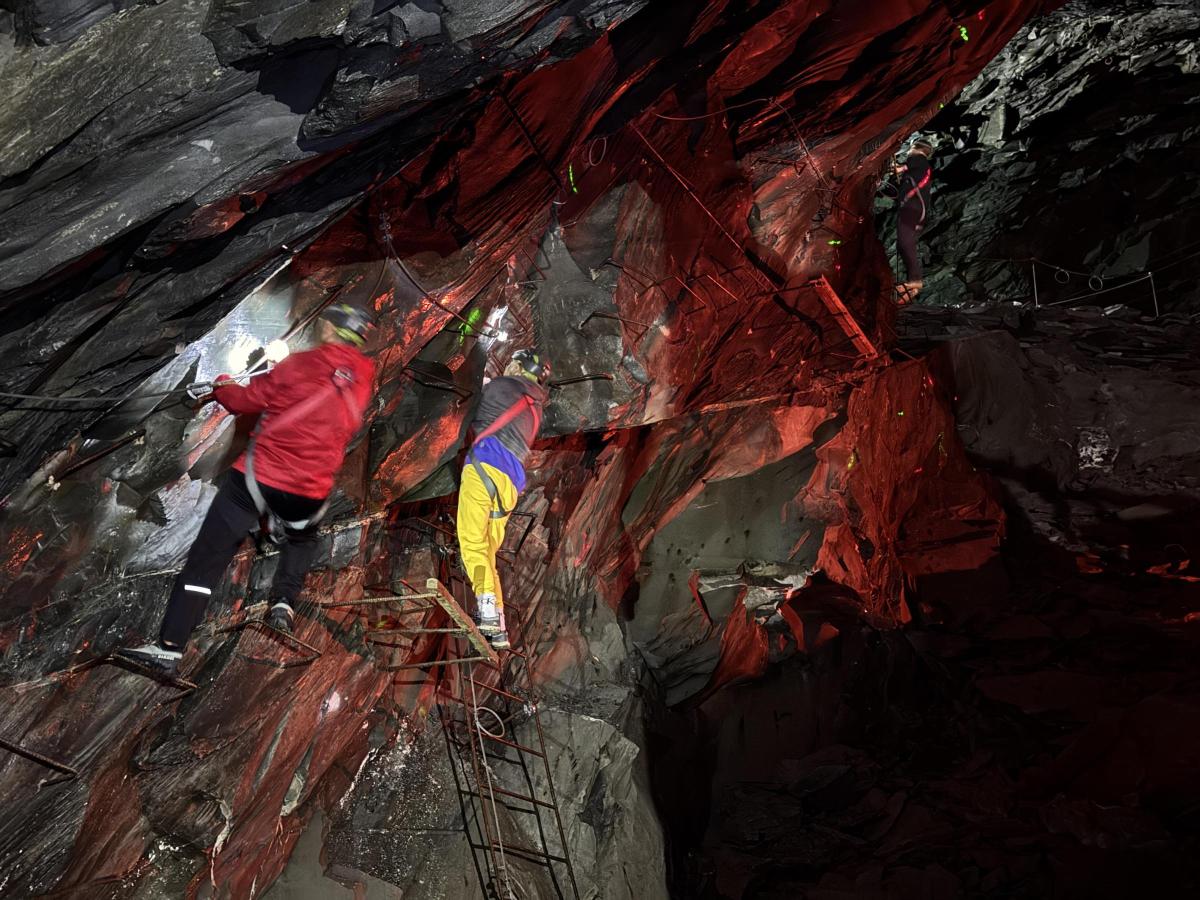
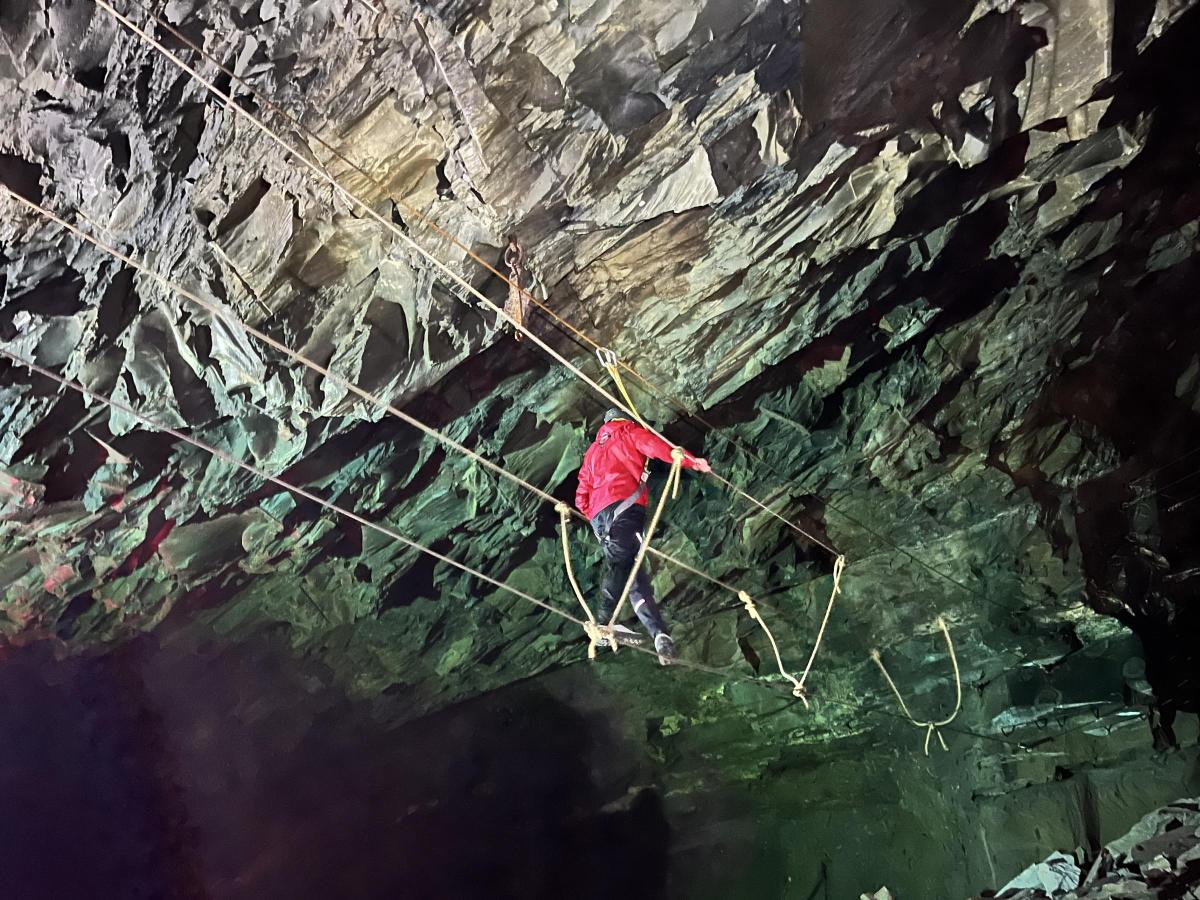
We clipped ourselves into the safety system and worked our way vertically and horizontally through the mine, crossing rope bridges, negotiating ladders and tackling sections of rock.
There were certainly moments when my brain was asking why I had volunteered for this.
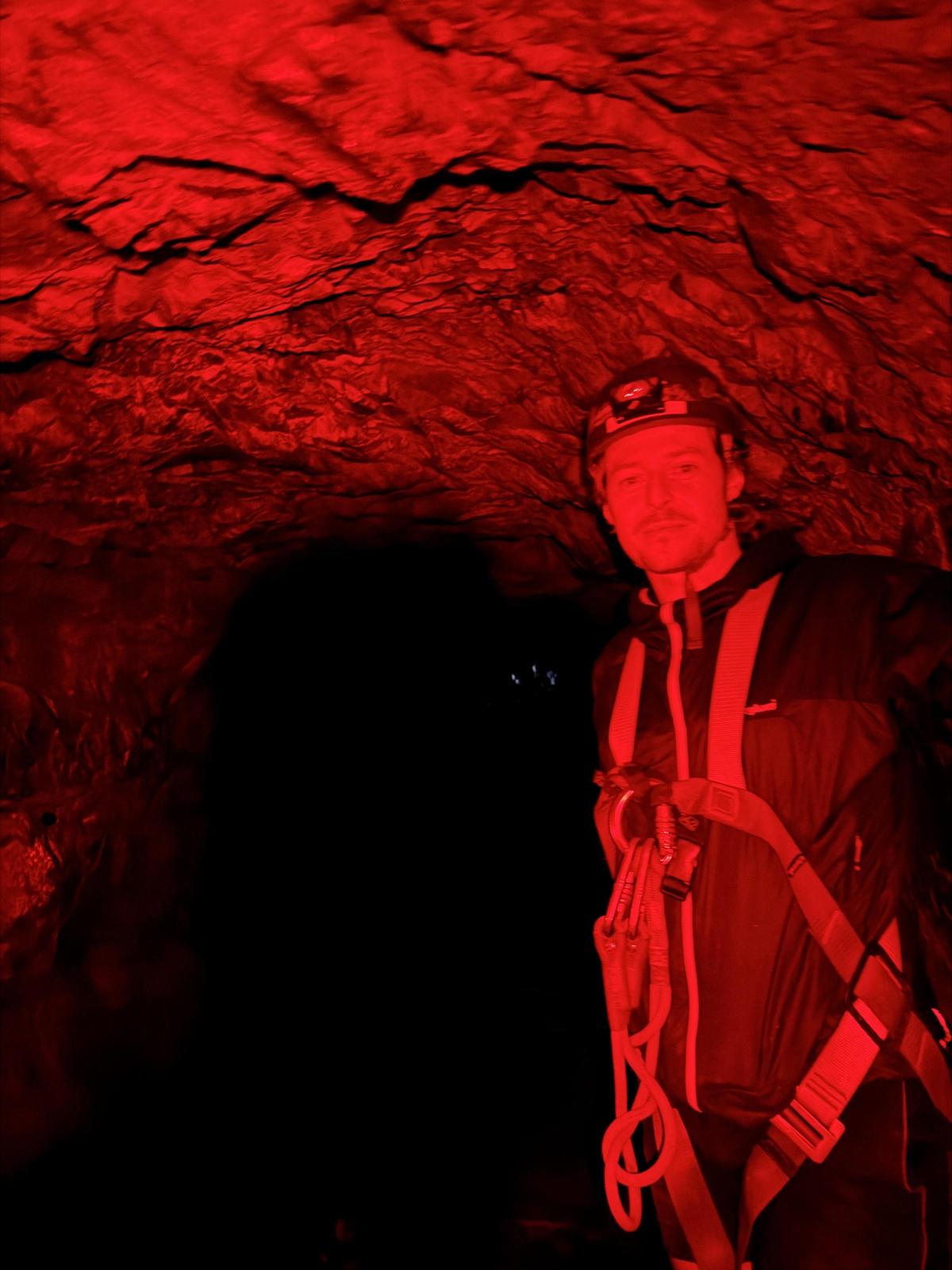
My favourite section came when our headtorch lights were switched and we descended using only red lights.
Below us was a narrow, steep passage disappearing into darkness, with metal bars fixed into the rock providing the way down.
If you've ever watched The Descent and thought, I'd quite like to try that, just without the creatures eating me, this is probably about as close as you want to get.

I spoke to Piers Wilkinson-Weir, who manages the mine's blasting operations, slate extraction and workshop production alongside his brother.
For Piers, Honister is not simply somewhere he works.
His family history is embedded in the mountain.
He is the fourth generation of his family to work there and was introduced to mining as a child.
“I was six or seven when we first went down there,” he told me.
He and his brother grew up at Honister, spending school holidays at the mine and doing the jobs that needed doing.
Now they are part of the team running it.
Honister is currently the only slate mine still operating in Cumbria, and its workshop uses the stone extracted from the mountain to make everything from roofing slate to memorial stones, kitchen worktops, chopping boards and sculptures.
“You name it, we'll make something out of it,” Piers said.
The aim is to use 100 per cent of the stone that comes out of the mountain.
That matters because Honister is more than an attraction.
It is a working example of an industry that once employed huge numbers of people across the region.
Piers says tourism and slate mining now work hand in hand.

The more people visit, the more people discover that beneath the adventure activities is a genuine working mine.
That relationship feels increasingly important as the Lake District itself changes.
Piers remembers when winter could leave the area almost deserted.
That is no longer the case.
Weekend breaks and staycations have brought visitors throughout the year.
But increased tourism brings its own problems.
The roads were not necessarily designed for modern tourist traffic, while congestion and parking can cause problems for farmers and emergency services.
His answer is not to stop tourism, but to adapt to it.
“Adapt or die,” he says.
Piers tells me there are around 14 kilometres of tunnels on this side of the mountain alone, although only around 1.5 kilometres are currently in use.
The original miners carved those passages with hand tools.
Today, Piers works with excavators, dump trucks and modern drilling equipment.
Read more
By the time I emerged back into the rain, I had mud on my boots, a healthy respect for slate miners and a list of reasons to come back.
There are plenty of beautiful places in the Lake District, but there are also places that show you something beyond the overdone version of the Lakes.
Honister Pass is one of them.
And if you've already done Windermere, wandered around Grasmere and ticked off the better-known sights, I'd suggest driving a little further into the mountains.
Just be prepared to spend quite a lot of the journey in first gear.
Climb The Mine tickets are priced from £70 per person.


Share