




Find, save and share Public Notices that affect you in the area.
Search the Public Notice Portal What is the Public Notice Portal?What is the Public Notice Portal?
The Public Notice Portal carries statutory public notices published in local newspapers and is the fastest and most effective way of finding out what is happening in YOUR neighbourhood.
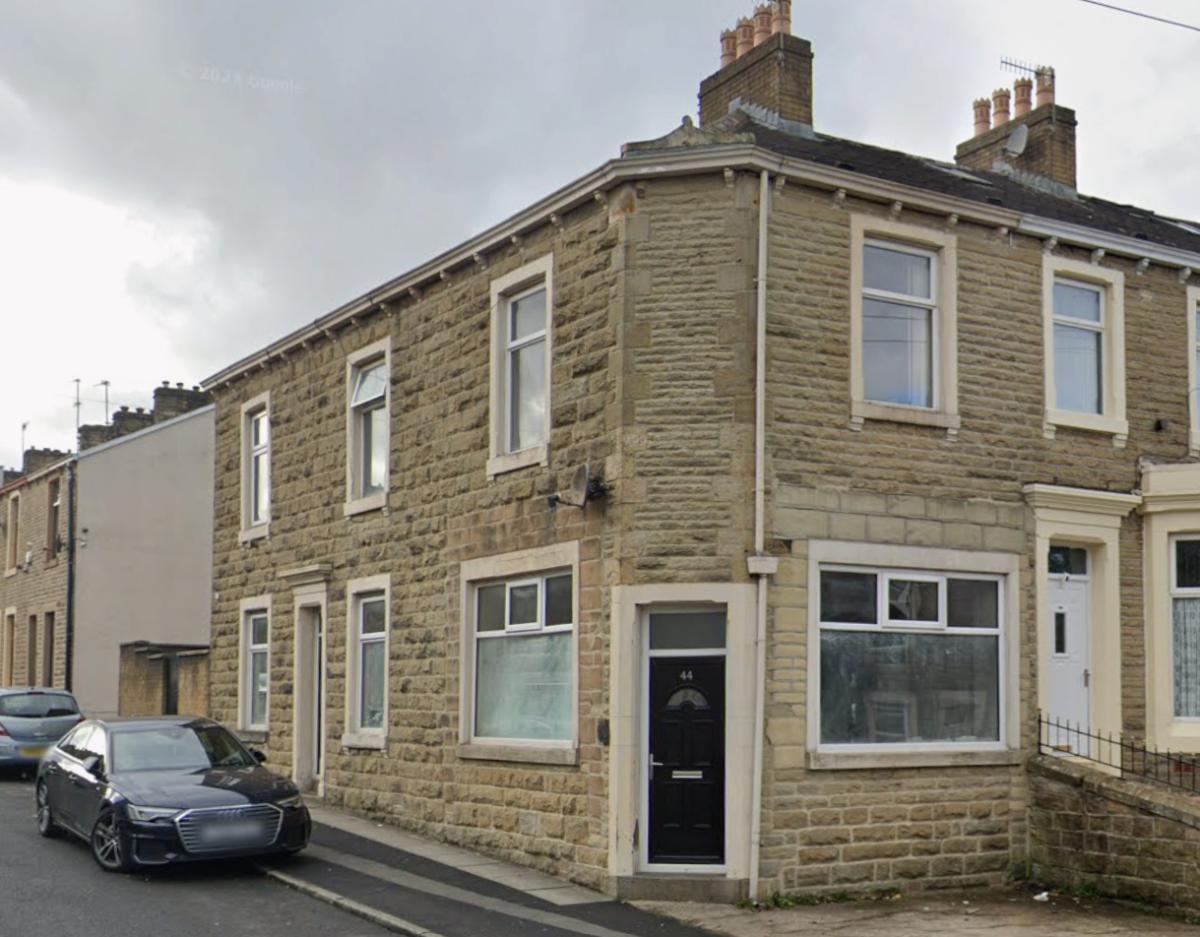
Search the Public Notice PortalA bid to turn a three-bedroom end-of-terrace into a five-bed House in Multiple Occupation (HMO) has been rejected by Hyndburn Council.
The empty home in Higher Antley Street, Accrington, has been subject to two applications to turn it into an HMO, with a previous attempt to turn it into a seven-bed HMO rejected in May over a litany of issues from damp ventilation to the size of its kitchen and bedrooms.
While this latest application sought to reduce its occupancy to five, many of Housing Standards' concerns from the previous application remained.
This included a lack of cupboard and fridge space, alongside a lack of proper fire safety precautions.
Attempts to change the use of the property from a residential dwelling into a small HMO would not normally require a planning application; however, Hyndburn Council’s Article Four Direction means that all developers must ask for permission before making such conversions.

This rule for developers was agreed in 2025 and implemented in March of this year, in response to the disproportionate growth of these high-occupancy rental properties across the borough and wider East Lancashire.
It allows the authority’s planning team to assess each application on its potential impact on nearby residents and highways in the nine wards most affected by this type of high-density housing conversion, though it does not outright ban them.
When it was brought into effect, a report to the council highlighted that these wards are among the most deprived in England and that high concentrations of rental properties and HMOs can contribute to an area’s ‘spiral of decline’.
They can often also cause concern among neighbouring properties, with the previous attempt to convert the Higher Antley Street property into an HMO garnering eight objections and a petition against the development.
Read more
Accrington town centre warehouse building could become 18-bed HMO
New SEND school approved in Accrington office space as numbers continue to rise
Bid to boost Hyndburn phone signal thrown out over fears it would harm views
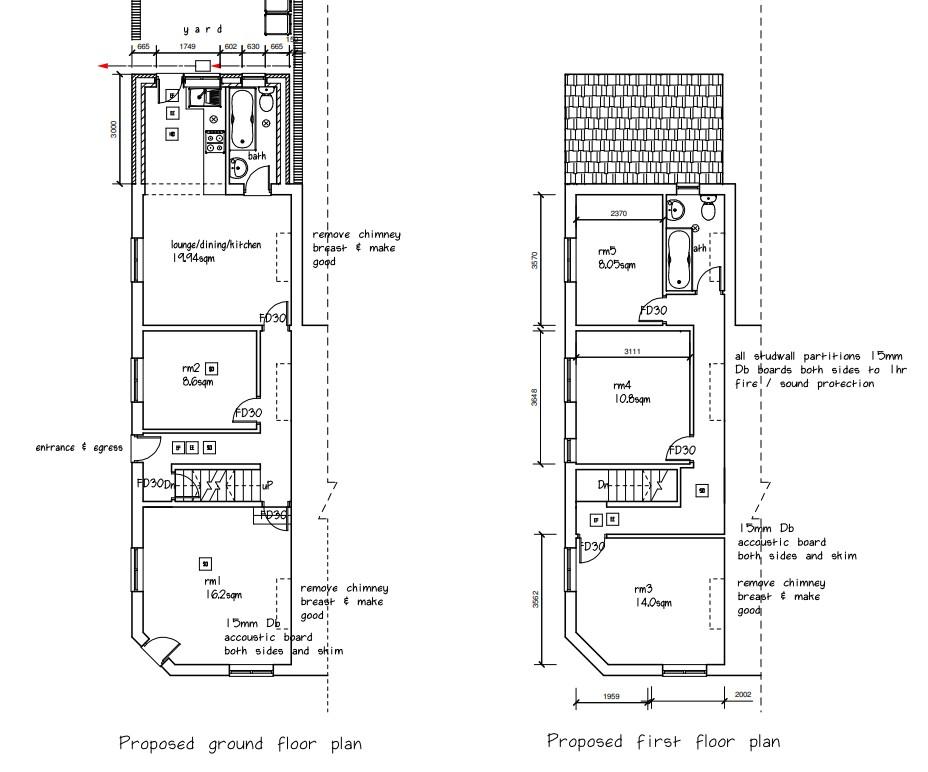
This application, if it had succeeded, would have seen the ground floor lounge and dining room turned into two bedrooms, with the cooking area becoming a ‘lounge/dining/kitchen’ room.
A rear extension would have extended the food preparation area slightly, as well as added a bathroom for the ground floor tenants that would be accessed through the kitchen.
In refusing this second attempt to convert the home, Hyndburn’s planning officer said: “It has not been demonstrated that the proposal accords with the Nationally Described Space Standards, nor has viability been demonstrated to be an issue.
“The proposal would result in cramped living conditions for future occupants.”


Share