





A long-awaited decision to abolish Lancashire’s 15 local authorities was finally revealed on Thursday, on the last day of parliamentary business before the summer recess.
The top-down local government reforms will remove the complicated patchwork of two-tier authorities that Lancashire has operated under for much of the past 50 years, replacing them with just four singular unitary authorities.
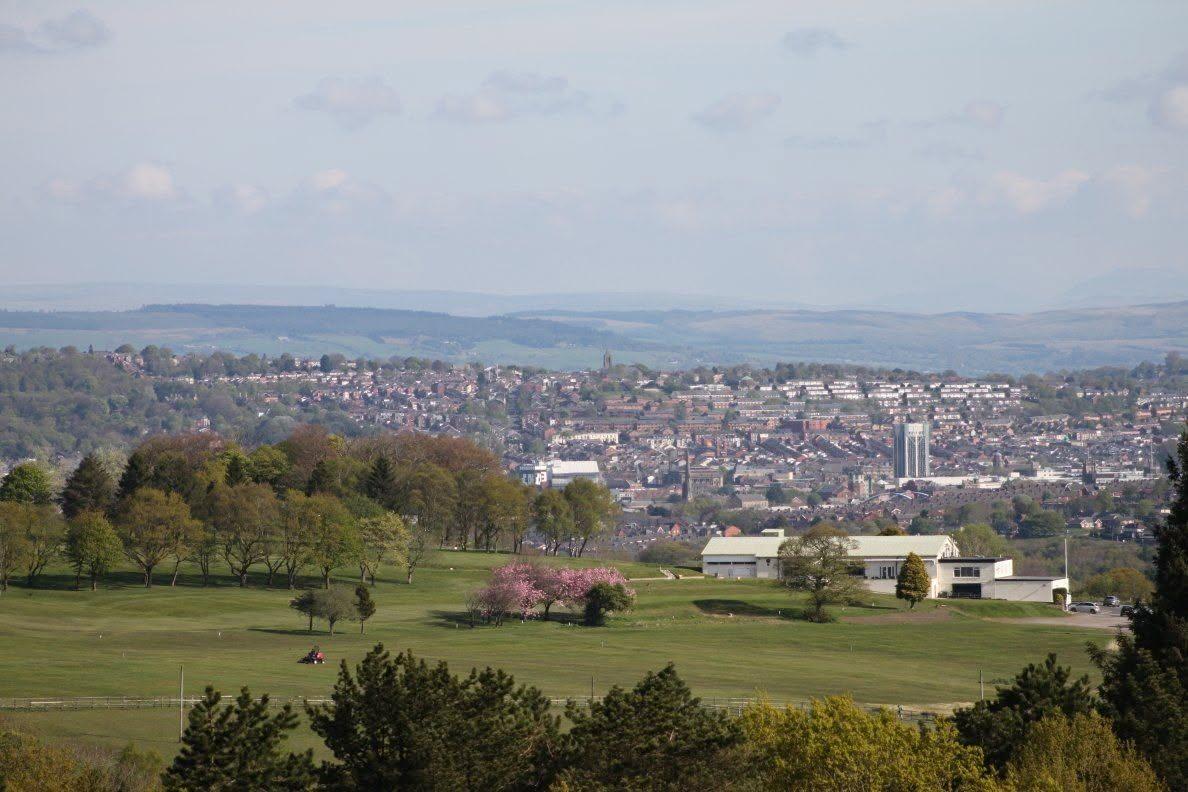
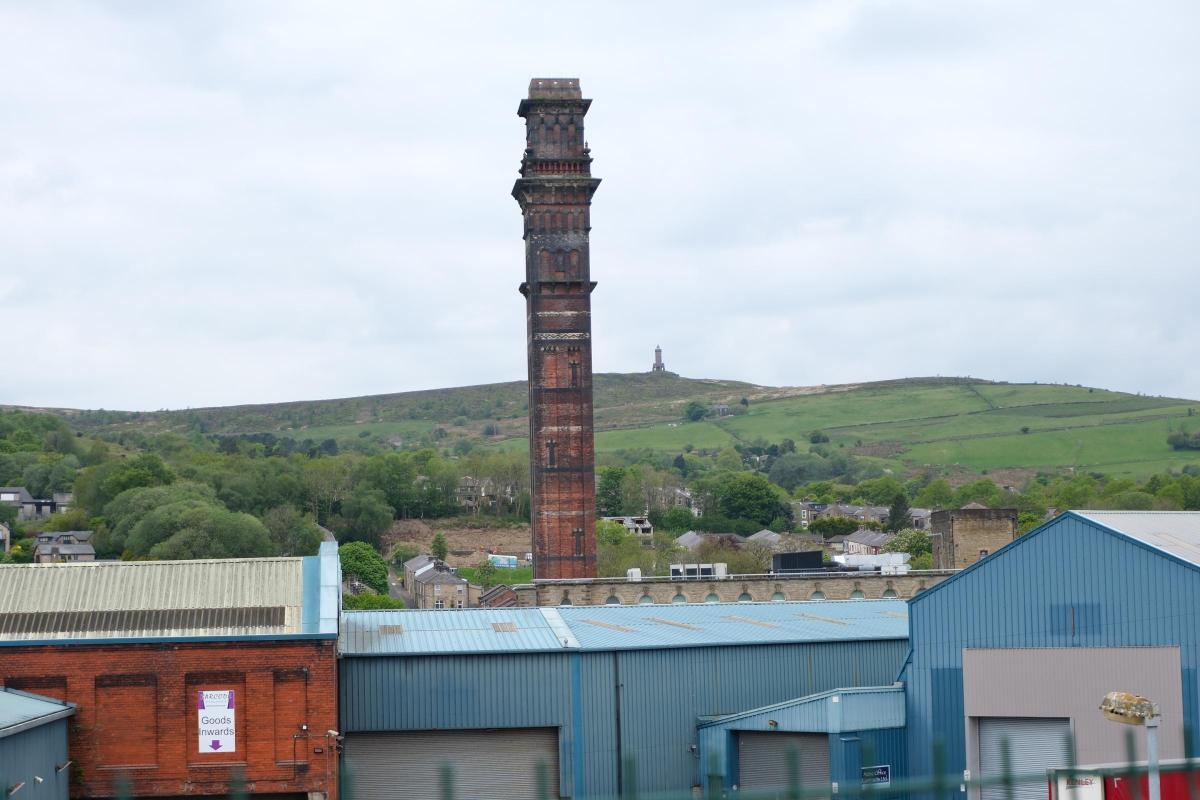
In East Lancashire, this means that people currently living in the boroughs of Blackburn with Darwen, Hyndburn, Burnley, Pendle, and Rossendale will in the future be part of one council, which will oversee everything from bin collections to adult social care, education, and filling in potholes.
But while almost all politicians want to reform the way that local councils work in the county, pretty much none of them can agree on what would be the best outcome for Lancashire’s 1.5 million residents.

In fact, one of the few issues uniting the county’s elected officials is that the UK Government’s vision for local democracy is not what they want.
Even Lancashire’s Labour MPs have been united in opposition to their own party’s plans for the area, with Hyndburn’s Sarah Smith MP and Burnley’s Oliver Ryan MP both slamming how the reform will impact their towns.
Both MPs told Secretary of State Steve Reed in the House of Commons that the singular council for East Lancashire would be ‘one of the most deprived’ in the entirety of England
Sarah Smith MP said: “My biggest concern is making sure our area is not left behind.
"If these changes go ahead, East Lancashire could become one of the most deprived unitary authorities in the country.
“The Secretary of State said the preferred option for Lancashire has been chosen because it fits with local economic areas, commuting patterns and transport links, with the aim of bringing in more investment, creating jobs and helping drive economic growth.
"I will be holding the Government to that promise.”

Mr Reed told the Commons that each of the new local authorities will receive £1.05 million to handle the transition, which will begin in May 2027 when elections are due to be held, but this did little to assuage fears from the backbenches.
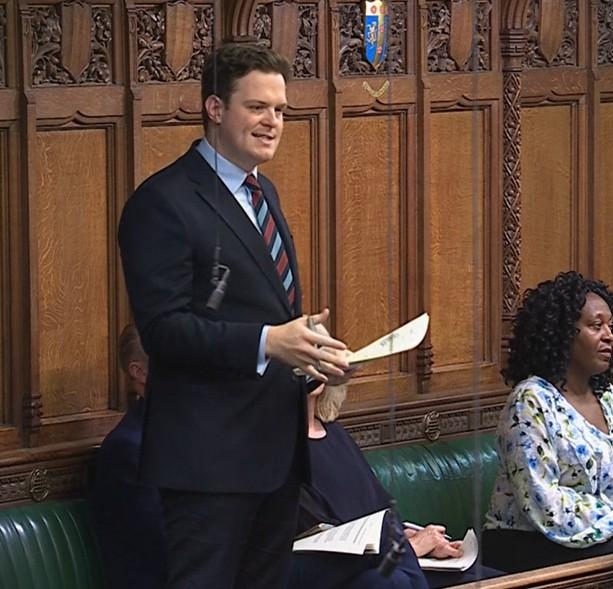
Oliver Ryan MP also told the minister that this new council would be among the most deprived, telling Mr Reed that he was ‘angry’ to have been lumped in with Blackburn.
Sharing concerns about a democratic deficit, he said: “I can't support this, Burnley will not stand for being part of greater Blackburn. The HQ of this new authority must not be in Blackburn.
"The accountable officer must not be a Blackburner, and our people, our bondholders, our culture, our businesses, and our communities cannot be steamrolled and forgotten in this way."
But while Burnley reacted with predictable fury to being lumped into a new authority with their historic rivals, officials in Blackburn have pushed back.

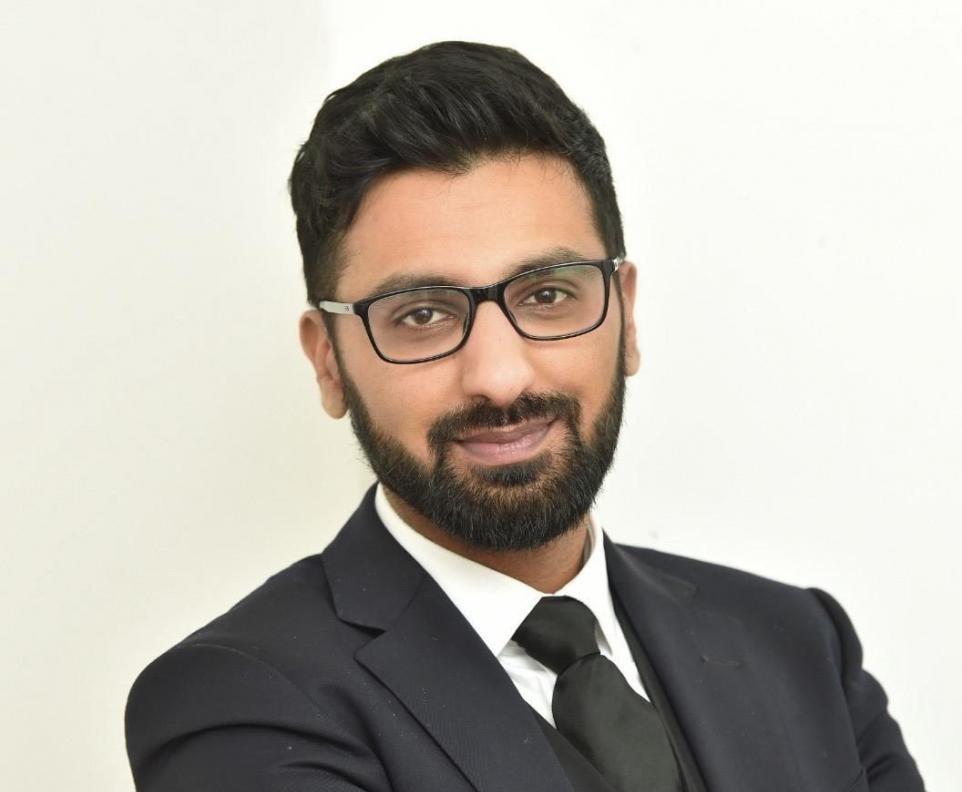
Blackburn’s Adnan Hussain MP echoed concerns about the new council’s boundaries, saying: “The success of devolution depends on creating economic geographies that reflect opportunity and potential, not simply drawing lines around areas with the greatest challenges.”
Mr Hussain challenged the proposal in the Commons, asking the minister why the wealthier Ribble Valley had been excluded from the new council.
“Many people will see these proposals as concentrating some of Lancashire’s most deprived communities into one authority while separating them from neighbouring areas that could strengthen its economic and financial base,” he said.
The MP also push back against the inferences that Blackburn would purposely dominate the new body, saying: “I would also caution against any suggestion that this is somehow Blackburn’s fault.
“Blackburn with Darwen has almost 30 years’ experience delivering children’s services and adult social care, responsibilities that councils such as Burnley have never had.
“This is not a criticism of Burnley, but it does mean the new authority should build on Blackburn’s existing expertise, rather than start again.
"That experience is one of the new authority’s greatest strengths.”

He was not the only major politician in the town pushing back against the reorganisation, or questioning the decision to place neighbouring Ribble Valley in a council with Preston and Lancaster.
Leader of Blackburn with Darwen Council, Cllr Phil Riley, said the authority ‘hadn’t looked back’ since deciding to become a unitary authority in 1998 and welcomed the move towards a simpler political structure for Lancashire, but was still ‘disappointed’ with the UK Government decision.
Cllr Riley, whose Labour group backed a three-council model, said: “We believe that Ribble Valley is part of the overall picture of Pennine Lancashire and that’s what we said in our proposal.
“We genuinely believed that the new authority would be more complete with Ribble Valley than what we’ve ended up with.”
Cllr Riley also made the case for why the new council, tentatively named Pennine Lancashire in the proposals, should include Hyndburn, Burnley, Pendle, and Rossendale, pointing to their ‘commonalities’ and shared history with its shared problems.

“Much of the whole area was built in a rush to support employment at the cotton mills in the Victorian era, so poor housing quality is a really significant issue for residents in towns across East Lancashire,” he said.
“But we need to be careful about how we describe ourselves, whether we are poverty-stricken or not.
"There are a lot of good things going on in this part of the world in terms of employment and industry, but economically, this is a tough gig we have been given by the Government.”
But while the county’s elected representatives largely rejected the proposals, with the exception of Ribble Valley Council, which welcomed them, it is not clear what steps can be taken to challenge them.
It's leader, Cllr Simon Hore, said the four-council model is in the borough's "best interests" and said the change promises an "exciting future for residents and businesses".
The only means of legal recourse for authorities is to seek a judicial review, which some have floated.
However, this can only question the process through which the decision was made, rather than the decision itself.
This is further complicated by the UK Government pushing through these reforms on a tight timetable, with less than a year until an election is held for the new ‘shadow’ authorities, which will then prepare for power before the four new councils officially come into existence on April 1, 2028.


Share