




Find, save and share Public Notices that affect you in the area.
Search the Public Notice Portal What is the Public Notice Portal?What is the Public Notice Portal?
The Public Notice Portal carries statutory public notices published in local newspapers and is the fastest and most effective way of finding out what is happening in YOUR neighbourhood.
Search the Public Notice PortalPlans to convert a historic village pub and hotel into housing have been submitted to Lancaster City Council.
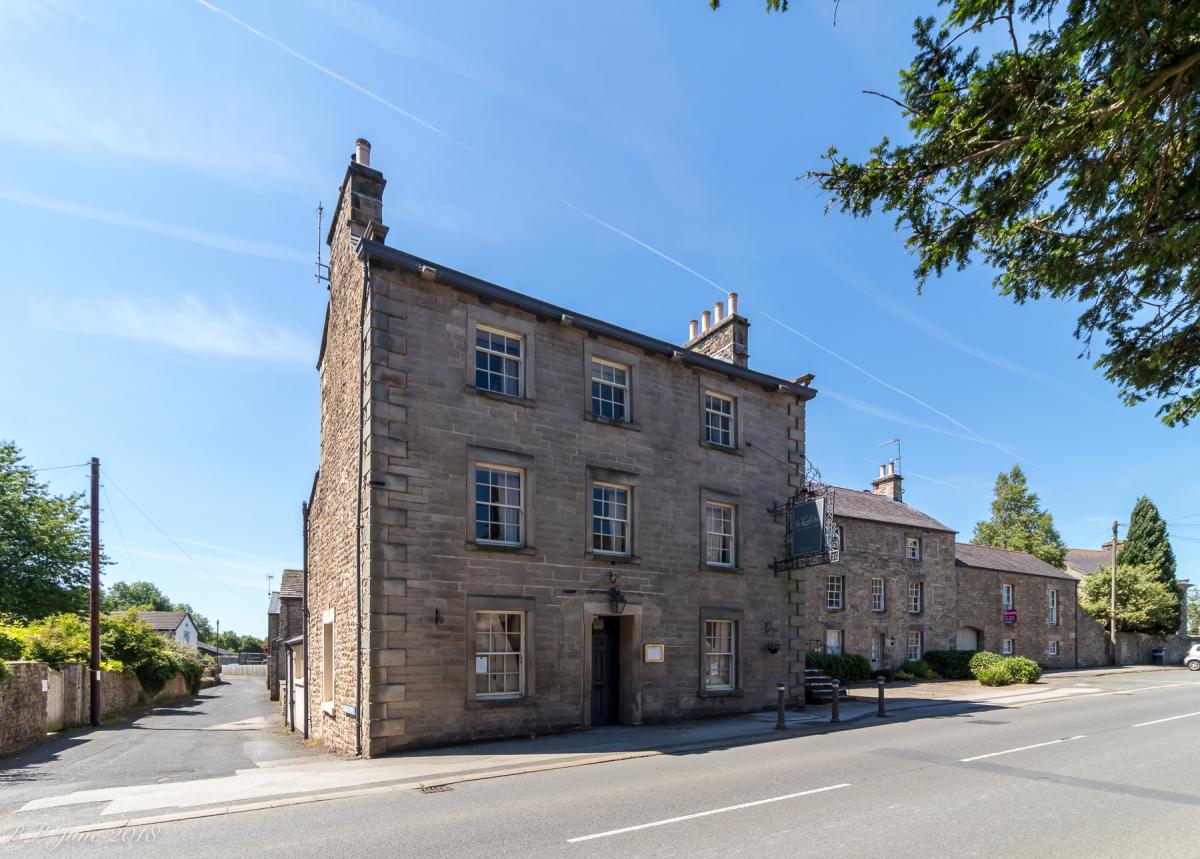
Developers Holmes and Interiors Ltd are seeking listed building consent to transform the Grade II listed Castle Hotel on Main Street in Hornby into six residential apartments.
The prominent building, which forms part of the village’s conservation area, dates back in parts to the late 17th century and has evolved over time into a complex of connected structures from the 18th, 19th and 20th centuries.

It occupies a central position in Hornby opposite the historic market area and is considered to make a significant contribution to the character of the village.
Planning documents reveal the hotel and pub have been closed for several years and have struggled to remain commercially viable despite a number of different tenants.
Developers argue that without a new use, the building risks further deterioration, and that converting it to housing offers the best chance of securing its long-term future.
Under the proposals, the remaining pub, restaurant and guest accommodation would be converted into six flats across the building.
These would range in size from one-bedroom units to larger family homes, making use of the existing layout and structure wherever possible.
The scheme would follow the historic form of the building, with each apartment designed around existing walls and structural features.
Externally, the overall appearance of the Castle Hotel would remain largely unchanged.

However, several alterations are proposed at the rear of the site, including the demolition of a late 20th-century toilet block, which is considered to detract from the historic character of the building.
The removal of this extension would allow parts of the original external walls to be reinstated.
Other planned changes include modifications to a more modern sunroom extension, which would be incorporated into one of the new homes, and the installation of a small number of additional windows to improve natural light and access from the rear car park.
Any new materials, including stonework and timber windows, would be carefully matched to the existing building to preserve its character.
Historic features within the building are due to be retained where possible. Although previous refurbishments have already removed much of the original interior, elements such as stonework, structural walls and some architectural details will be preserved and incorporated into the new apartments.
The plans also include the installation of solar panels on parts of the roof, designed to sit flush within the existing slate to minimise their visual impact.
Developers say this will help improve the sustainability of the scheme while respecting the building’s heritage setting.
A separate acoustic report submitted with the application sets out how the apartments would meet modern sound insulation standards.
While upgrades are proposed to floors, walls and ceilings, the report notes that achieving full compliance may be more challenging in a listed building and would need to be balanced against preserving its historic fabric.
Read more
Council officers have already begun reviewing the plans. Lancaster City Council’s waste management officer has recommended that a larger communal bin store be included to support the development, with provision for recycling and food waste facilities.
The application is now open for public consultation, with residents and other stakeholders able to comment before a decision is made.
If approved, the scheme would see the revival of one of Hornby’s most historic buildings, albeit in a very different role from its long-standing use as a pub and hotel.


Share