


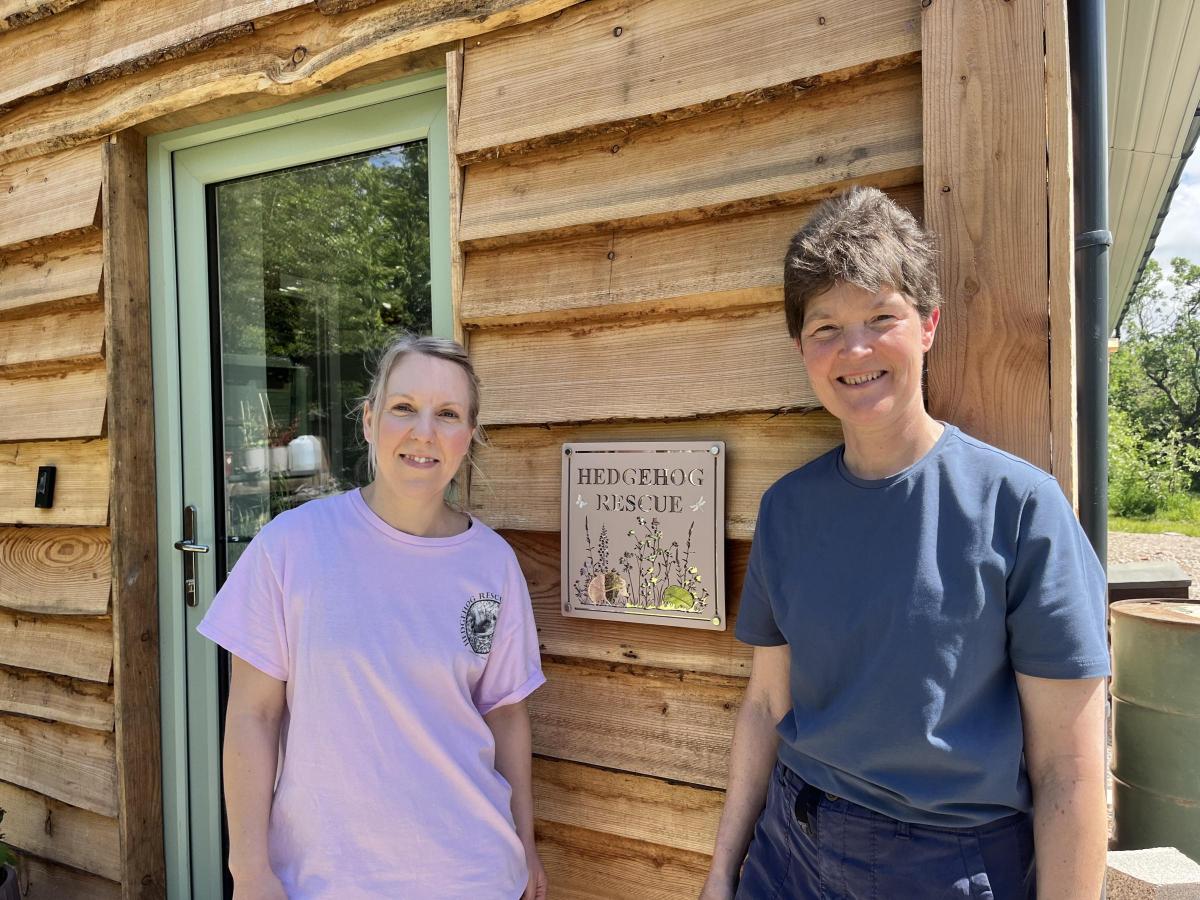

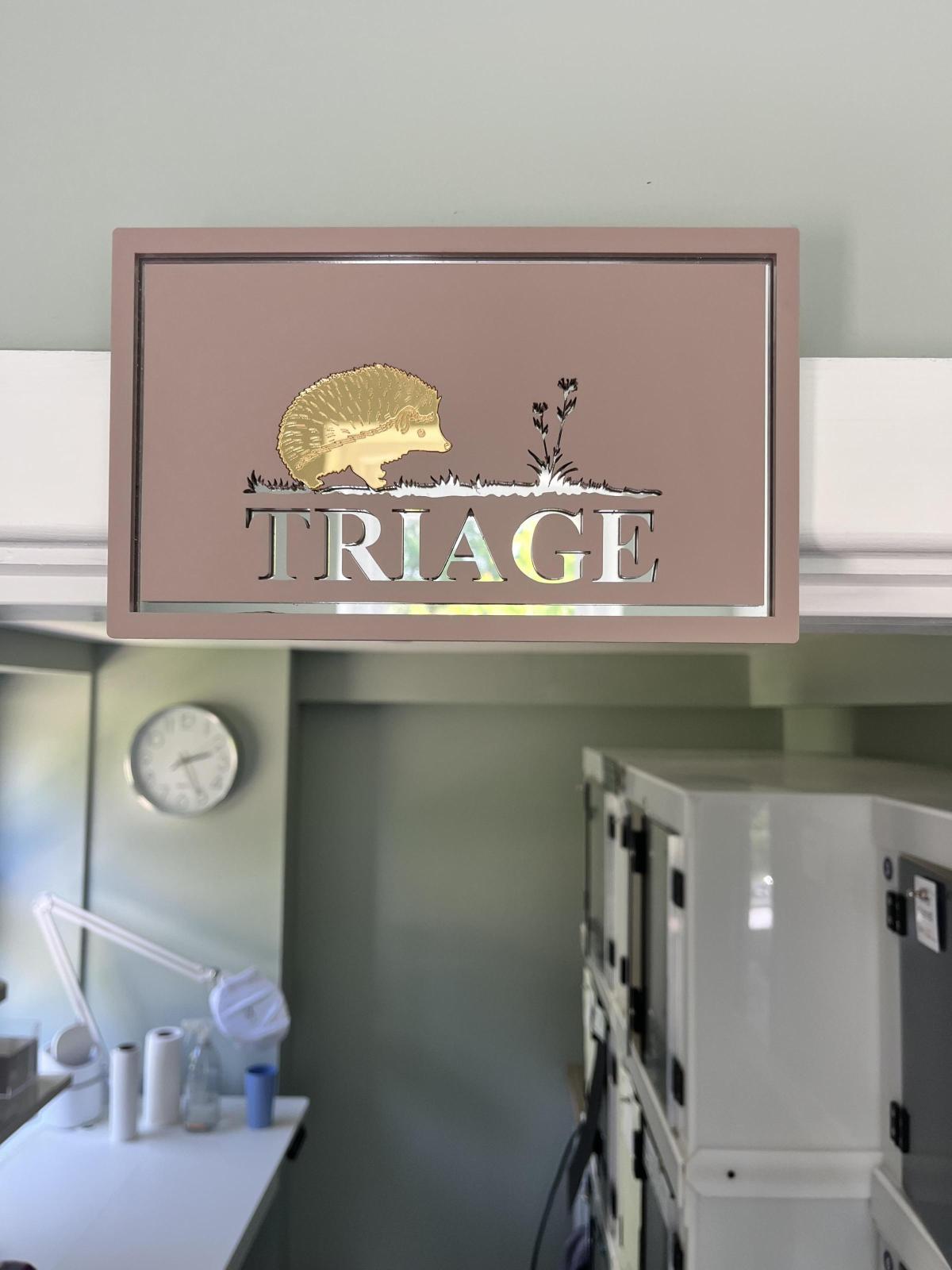
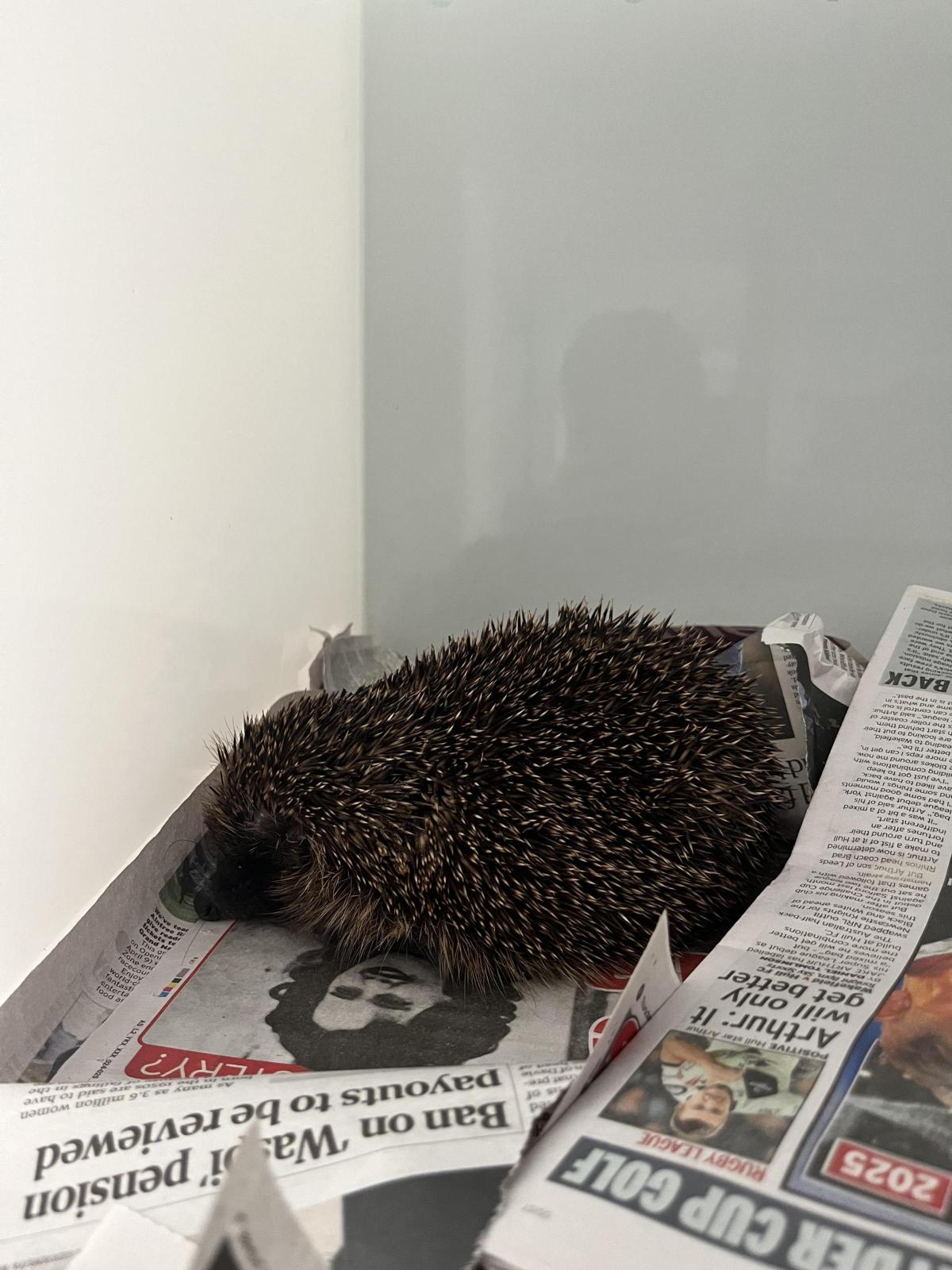

A Lancashire hedgehog rescue that has quietly saved hundreds of animals every year for more than a decade has moved into a new home in the countryside near Out Rawcliffe.
Hedgehog Rescue Blackpool is now based at Hales Hall in Dry Bread Lane, where staff and volunteers are already caring for a steady stream of prickly patients.
The charity began life in 2015, when founder Jean Turner started taking in sick and injured hedgehogs at her home in South Shore, Blackpool.

After running it for ten years, Jean stepped back from the role but remains a trustee. Leaving Claire Adamson and Sharon Browell to run the rescue.
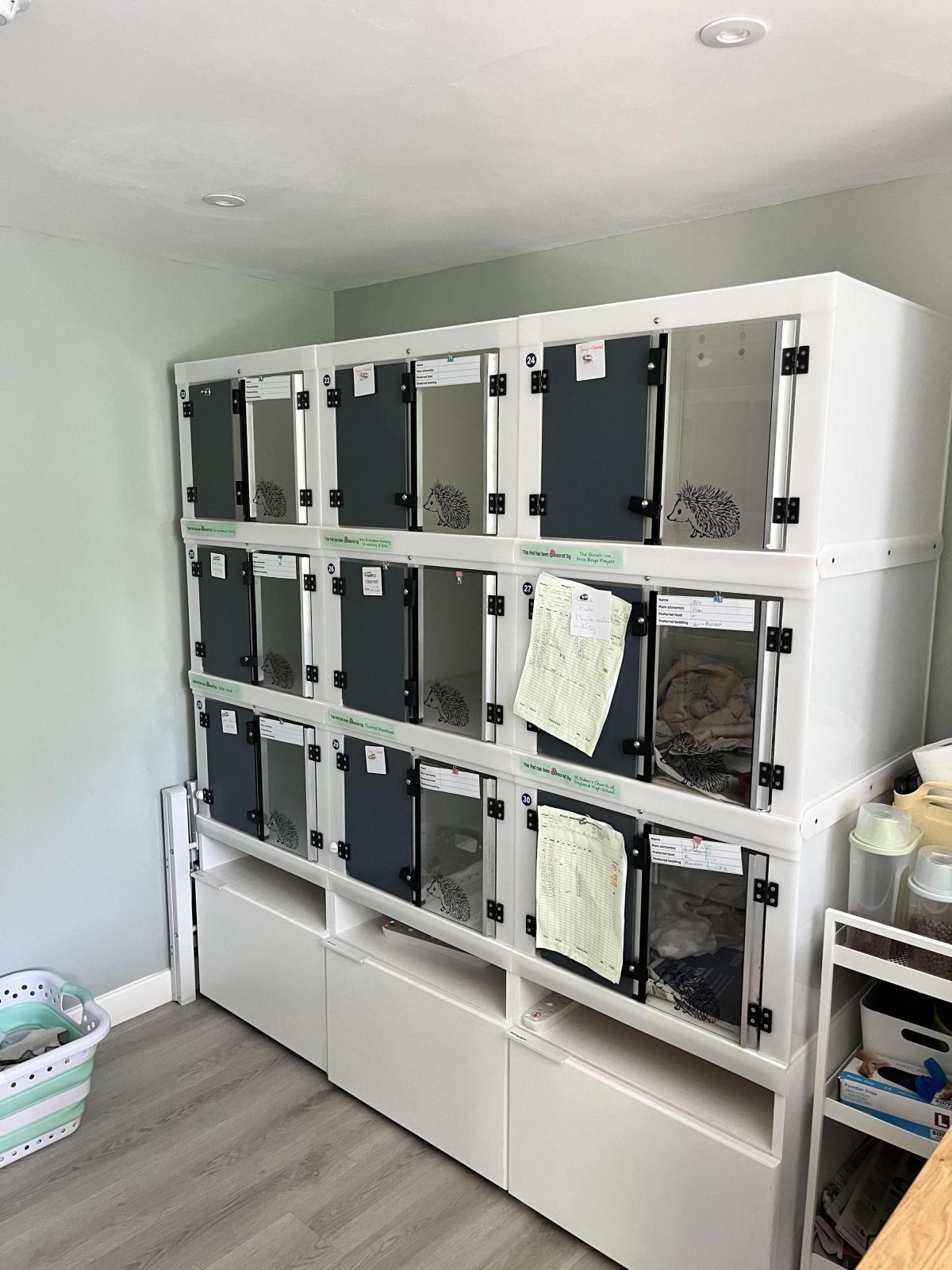
The new, purpose‑built unit at Hales Hall was completed at the end of last year, fitted out over winter and opened this spring.
"We’ve only been running here at this rescue for just a month," says Claire.
Despite the fresh start, the workload is already intense, according to Claire.
"I would say on average we get four a day.
"We’ve admitted nearly 250 this year, and we admit about a thousand in the year usually."
"Compared to some of the other rescues, it’s quite high numbers, but if we’ve got space, then we want to help," adds Sharon.
Asked why hedgehogs need so much help, Sharon points to disappearing habitat and tidier gardens.
"There are very, very few wild places left for them to forage and find food."
Claire strikes a similar tone, suggesting that the diminishing space is forcing the animals to take more dangerous approaches to find food.
"Definitely habitat loss, new houses going up, fences going up, they’re losing their foraging land, they’re travelling further, crossing busy roads, and roads are getting busier because more people have cars."

This time of year can be especially tough as people "start to go in the sheds and get all the strimmers and lawnmowers out" without checking for wildlife, adds Sharon.
They are clear that ordinary households can make a huge difference, according to Claire.
"The main thing to do is support hedgehogs in their gardens, providing food, providing water, and checking before strimming.
"Making sure they’ve got ramps on ponds, making sure they’ve got access in and out of the garden, speak to the neighbours, get a hedgehog highway going, cover drains."
She warns that "as soon as hedgehogs smell water, especially in weather like this, they’re going to be trying to get that water falling down drains" and risk drowning or ingesting "horrible stuff from drains."

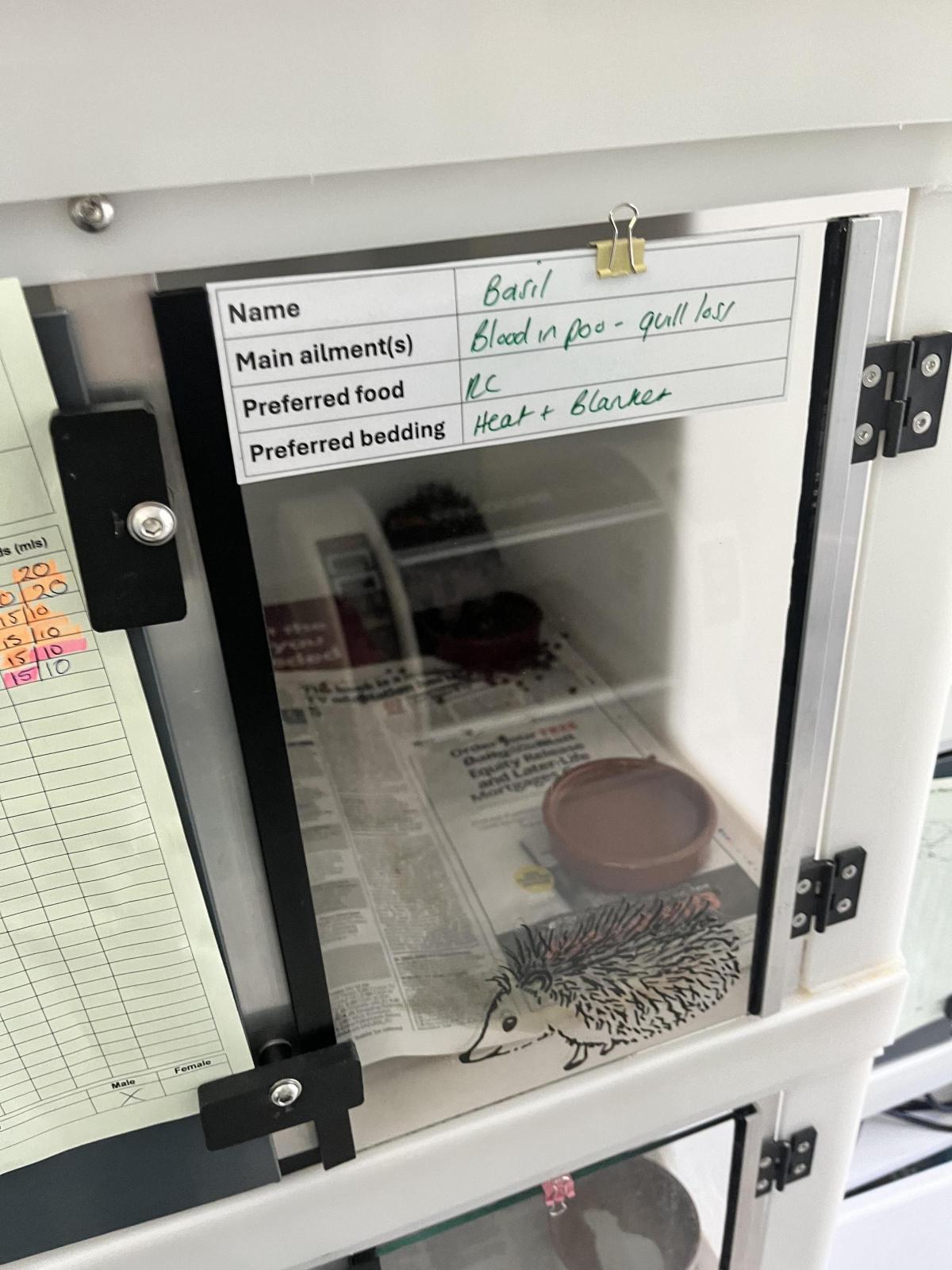
Inside the new base, the daily routine ranges from basic care to intensive treatment as Sharon explains,
"We’re doing a lot of supportive fluids, and if he needed a heat mat, he would have one, but it’s quite warm at the moment, so there’s not many that are needing it."
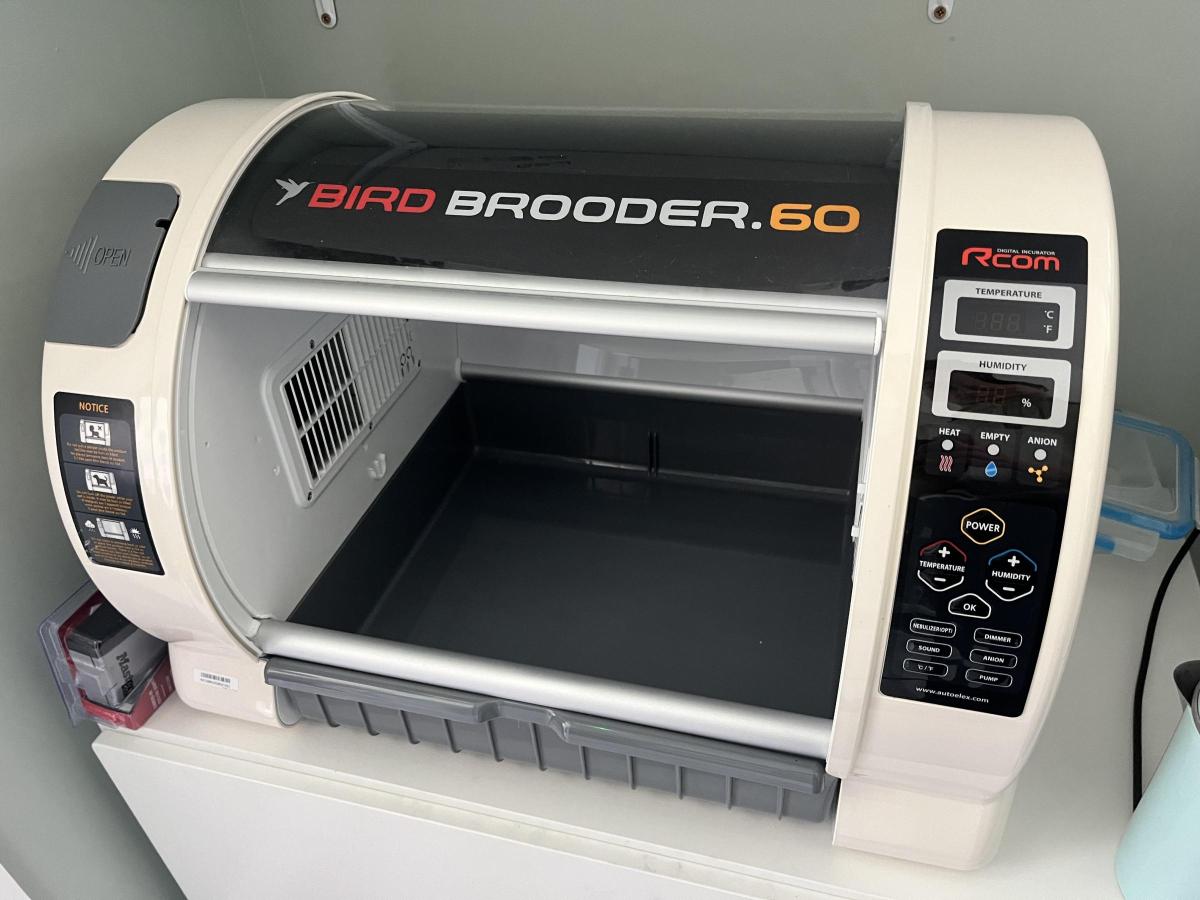
"If there are any tiny ones that come in or even juveniles or adults that come in that are cold, then they can go into the incubators."
This spring and summer, the team are braced for what they call the "hoglet storm".
"It’s breeding season at the moment, so we’ll start to see the little ones out in the day," says Claire.
Maybe something’s happened to mum, and the little ones don’t know what to do.”
She says many of the youngsters “usually need a little bit of hand‑feeding support” before they can be weaned and released.

Each hedgehog is given a name – usually by the person who finds it.
"We’ve got some band names, and we do get quite a lot of the same ones," says Sharon.
She jokes that they are not allowed Sonic, nor Harry, Henry, Henrietta.
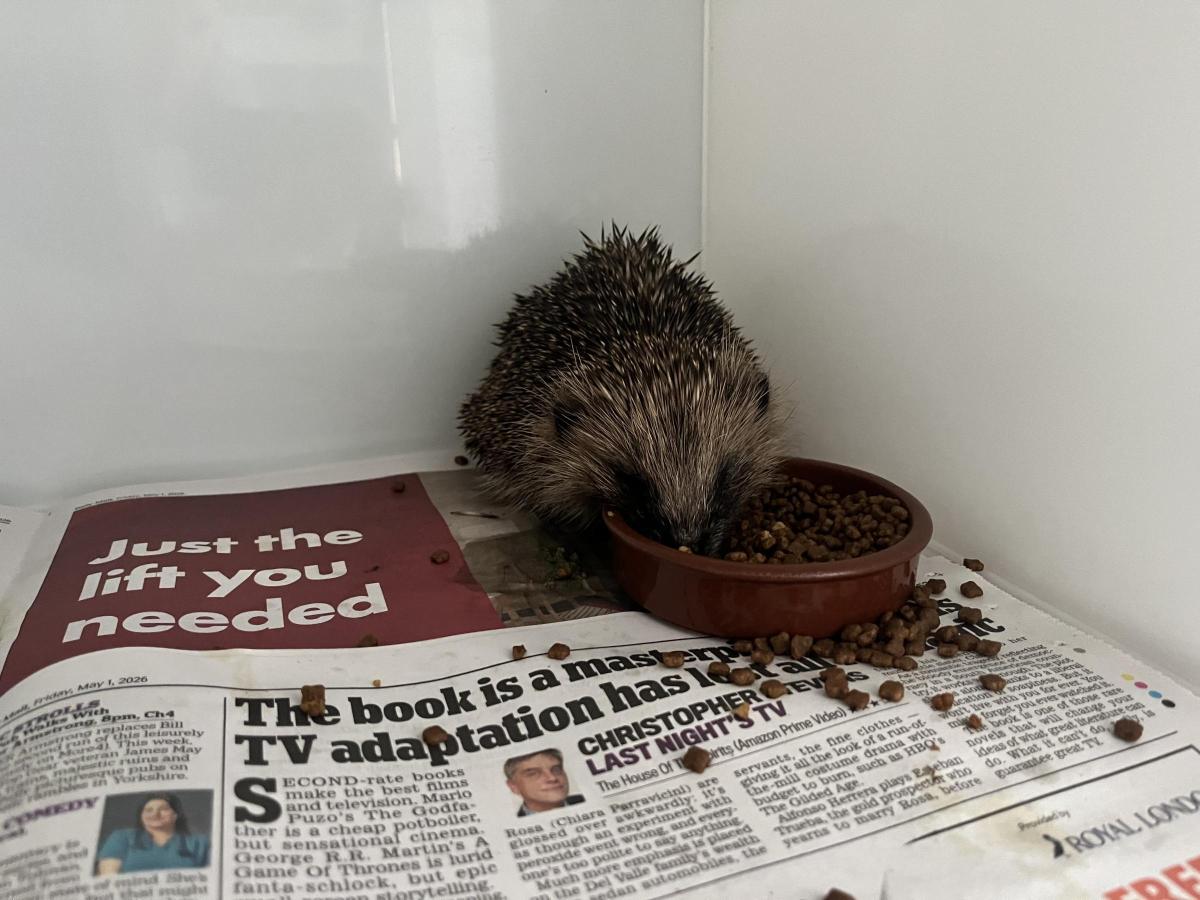
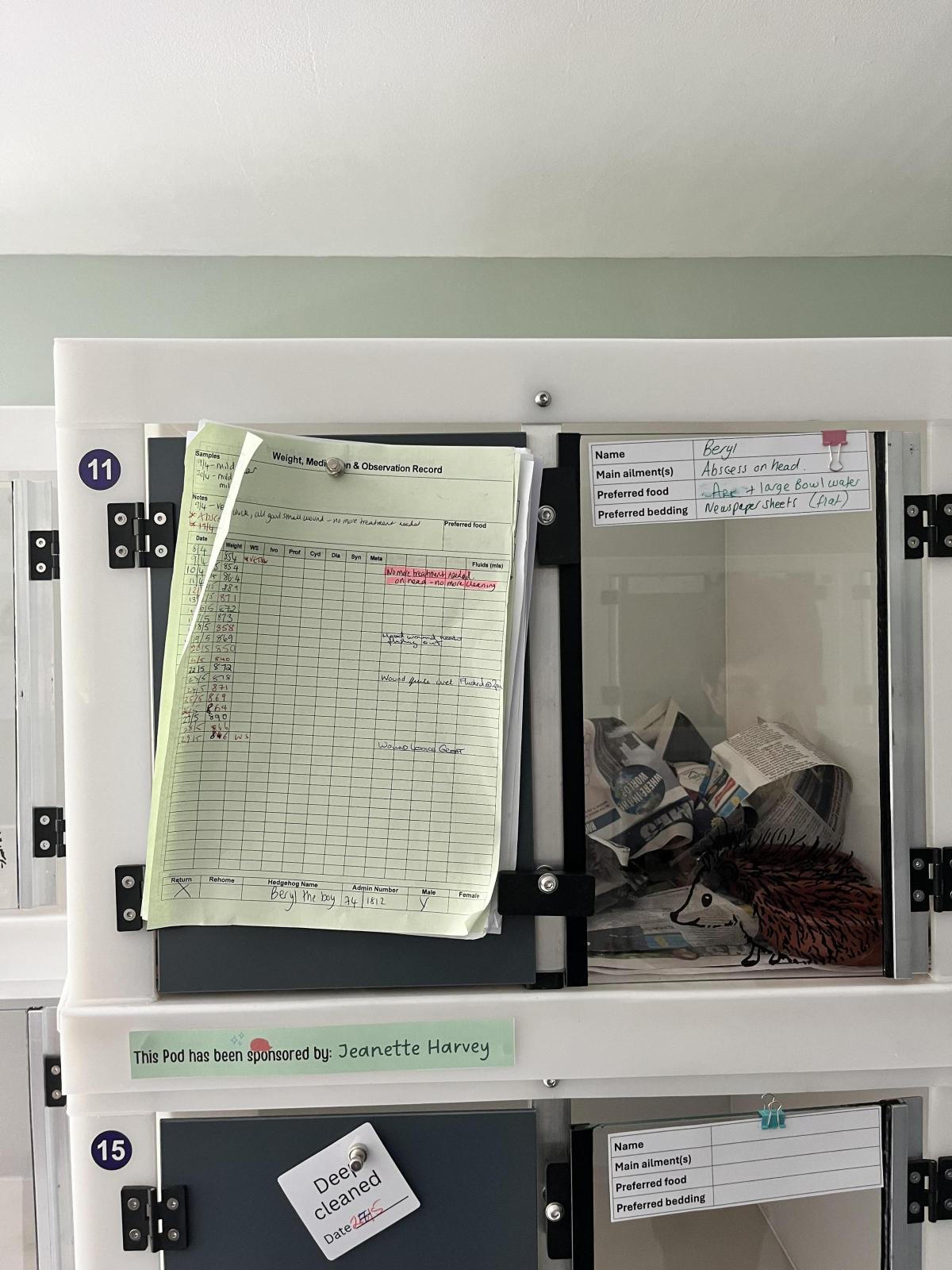
Among the current patients are Mary the hoglet, 'Beryl the boy' and Crocus, who was named after the street where she was found.
Behind the scenes, a network of volunteers keeps the rescue moving.
"We have a team of volunteers that we call hog taxis, and they’ll help and just either pick up from finders or pick up from here and take to the vets or to release sites or to fosterers," says Sharon.
She says the biggest challenge is the long hours and round‑the‑clock care, but said donations do cover bills, something they are very grateful for.
For anyone who finds a hedgehog, the advice is straightforward, according to Sharon.
"If you see them out in the day, contain and call the rescue for advice."
"The checklist would be: grab a box, contain it in a high‑sided box, bring it out of the sun and then just phone a local rescue for advice.
"The local rescue will then just ask lots of questions and triage on the phone if it needs to come in or whether it sounds like a nursing mum and it needs to be left."
Despite the losses that come with the job, staff say the successes make it all worthwhile.
Read more
"Once you’ve helped one or two, then most people get hooked on it. It’s very rewarding," says Sharon.
"I love release day, get to boot them out, it’s great. When we finally get to release day, we get to go back to where they should be.
"It’s great!"
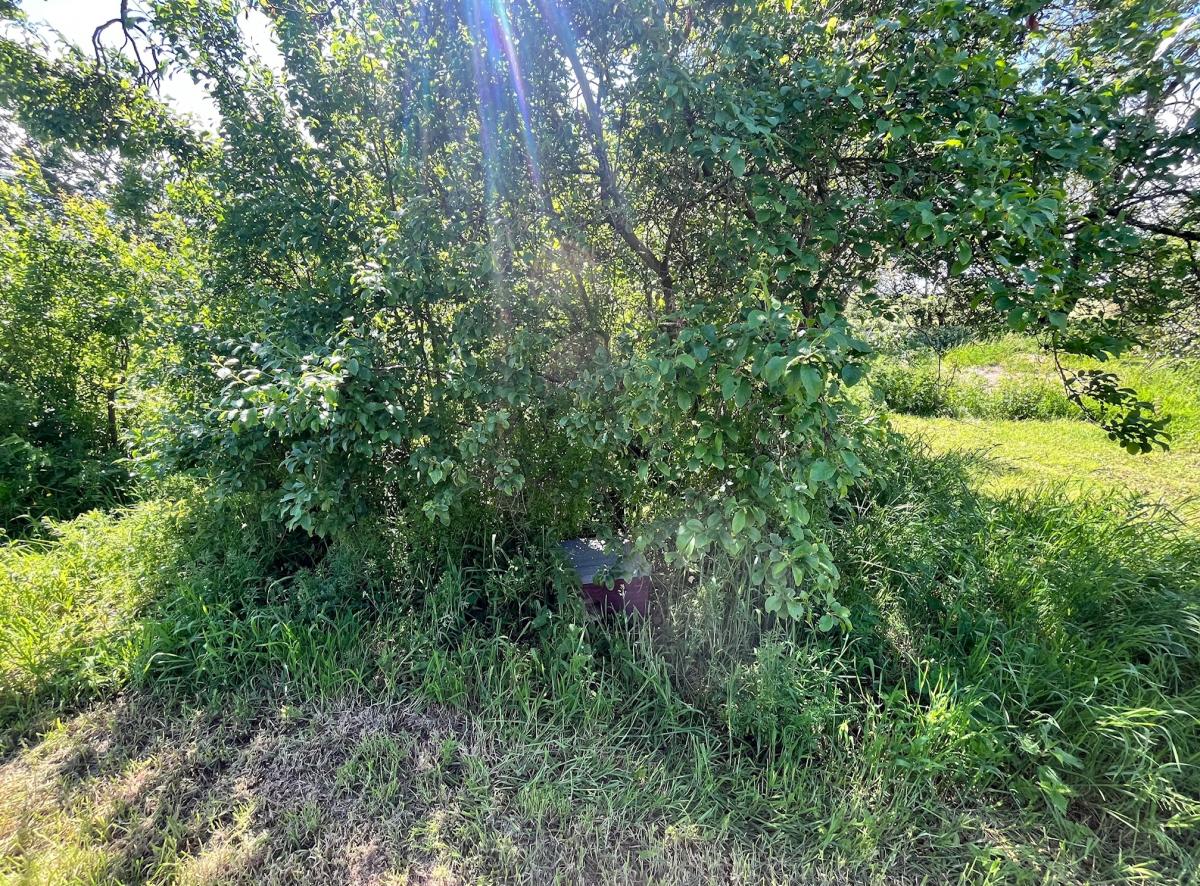
Hedgehog Rescue Blackpool can now be found at Hales Hall, Dry Bread Lane, Out Rawcliffe, and the team say they are always happy to advise anyone worried about a hedgehog or looking to make their garden more wildlife‑friendly.


Share