




Find, save and share Public Notices that affect you in the area.
Search the Public Notice Portal What is the Public Notice Portal?What is the Public Notice Portal?
The Public Notice Portal carries statutory public notices published in local newspapers and is the fastest and most effective way of finding out what is happening in YOUR neighbourhood.
Search the Public Notice PortalSolar panels have been given the green light on a listed building in Slyne after council planners ruled the installation would not harm the character of the historic property or the surrounding conservation area.
Lancaster City Council has approved plans for roof‑mounted solar panels on a garage building known as The Coach House at Slyne Grange, a Grade II listed building on Main Road.
The decision follows a detailed assessment by planning and conservation officers, who concluded the scheme would have a neutral impact on the listed building while supporting efforts to improve energy efficiency and tackle climate change.

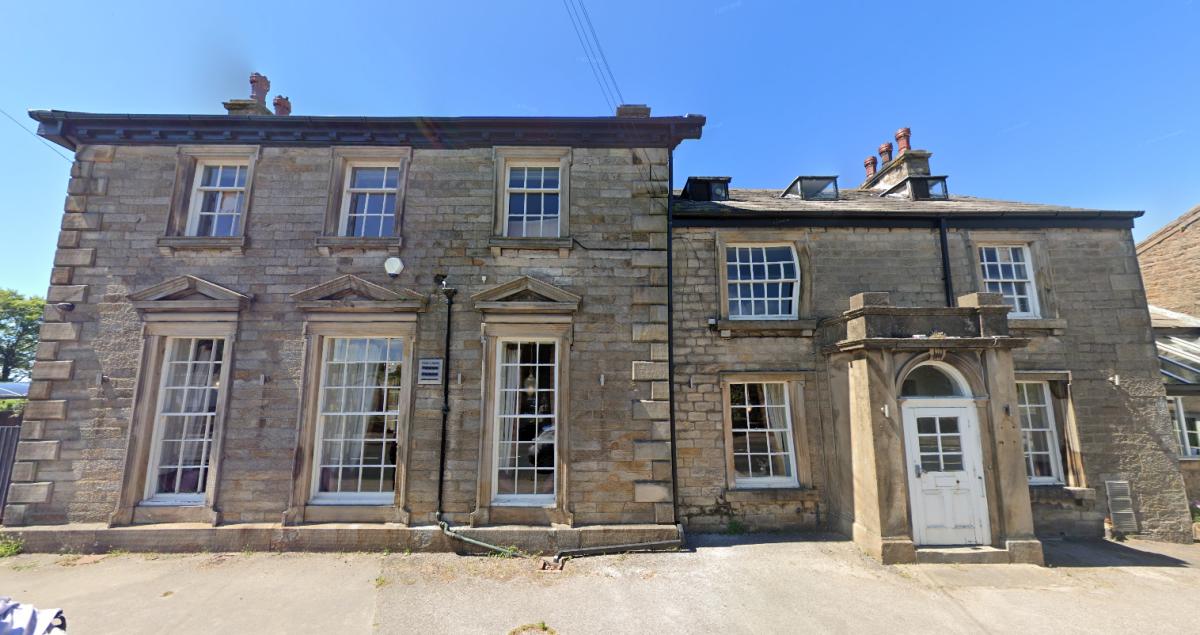
Slyne Grange dates back to the early 18th century and was later remodelled in the Georgian period.
Built of rendered rubble with a slate roof and traditional sash windows, it is cited in the council’s conservation area appraisal as an indicator of Slyne’s historic status as a wealthy suburban settlement on the approach to Lancaster.
The Coach House forms part of the listed building under planning rules because it has remained in the same ownership as the main house since its construction and historically served an ancillary function.
As a result, the proposal required both planning permission and listed building consent.

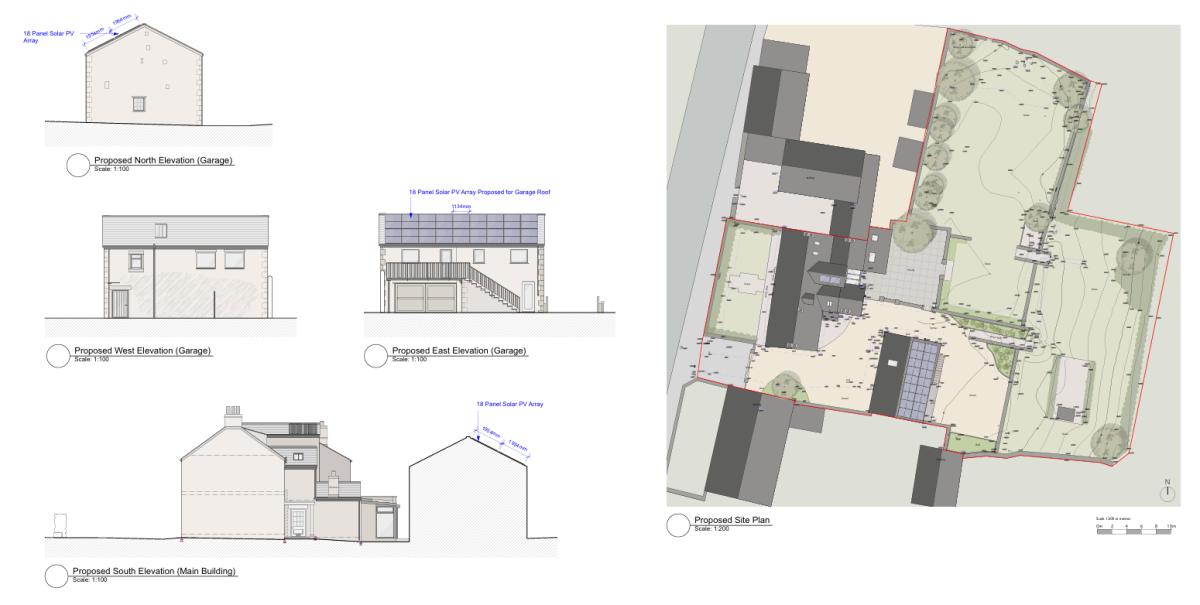
The approved scheme allows for the installation of 18 solar panels on the east‑facing roof slope of the coach house.
The panels will be fixed over the existing slate roof using a specially designed hook and fastener system, meaning the original roofing materials will be retained rather than removed or replaced.
Planning officers noted that the panels would be located on the rear elevation of the outbuilding, facing away from both the main house and the public street.
This positioning was described as a key factor in reducing visual impact.
In his report, case officer Patrick Hopwood said the applicant had deliberately chosen to place the solar array on the ancillary garage rather than the main listed building, and on a roof slope that is largely screened from public view.
As a result, the panels would not appear obtrusive in the visual experience of the heritage asset.

The council’s conservation team raised no objection to the plans. In its consultation response, the team described Slyne Grange as a well‑preserved example of a middle‑class dwelling of its period, with illustrative and aesthetic value that contributes positively to the character of the conservation area.
However, officers said the proposed solar array would not result in harm to that significance.
Because the panels would be roof‑mounted and installed without removing historic fabric, and because of their discreet location, the impact was assessed as neutral.
The application was assessed under national planning legislation, which requires local authorities to give special regard to preserving listed buildings and their settings.
Officers concluded that the proposal complied with this duty and aligned with local planning policies relating to listed buildings and the use of micro‑renewable technologies in historic settings.
The council also considered the sustainability benefits of the scheme. In his report, the case officer said the installation would help provide a renewable energy source while sustaining the long‑term use of the building, with no material harm to nearby heritage assets or the wider conservation area.
Slyne with Hest Parish Council submitted comments on the application but did not object or express formal support.
No objections were received from neighbouring residents during the consultation period.

The decision notice, issued on April 7, confirms that planning permission has been granted subject to standard conditions.
These include a requirement for the development to begin within three years and for the works to be carried out in accordance with the approved drawings and technical specifications.
The accompanying design, access and heritage statement submitted by the applicant said the solar installation would maintain the street‑facing elevation of the property unchanged, while helping to reduce energy costs and future‑proof the building for continued residential use.
Read more
Planning officers also noted that solar installations are not uncommon within the Slyne Conservation Area and that the muted design and careful siting of the panels would allow the building’s historic character to be preserved.
In granting permission, the council said it had taken a positive and proactive approach to sustainable development, balancing heritage protection with the need to reduce carbon emissions.
Work can now proceed on the installation, subject to compliance with the approved plans and conditions set out by Lancaster City Council.


Share