




Find, save and share Public Notices that affect you in the area.
Search the Public Notice Portal What is the Public Notice Portal?What is the Public Notice Portal?
The Public Notice Portal carries statutory public notices published in local newspapers and is the fastest and most effective way of finding out what is happening in YOUR neighbourhood.
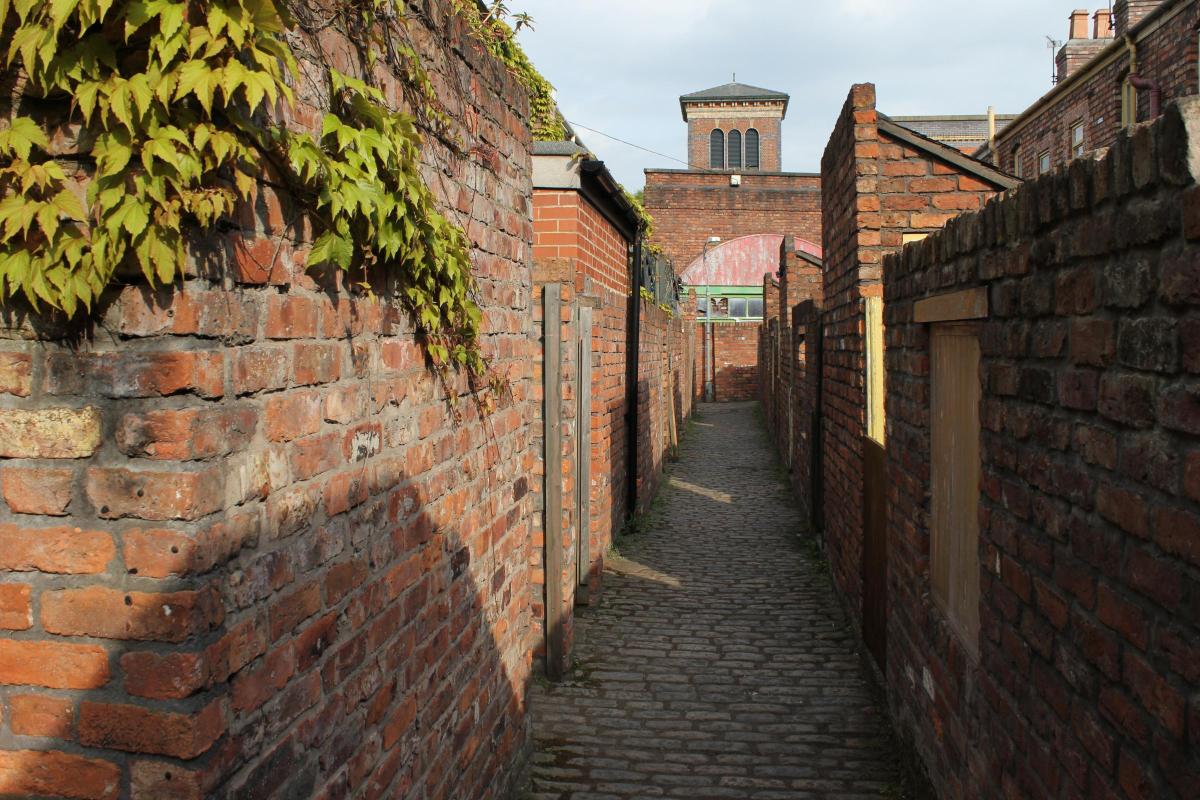
Search the Public Notice PortalIf you've ever nipped through one of Ormskirk's narrow back passages on your way to the market, you've used a ginnel.
Now, £100,000 is being spent to restore them, and the story behind why goes back to the Middle Ages.
A ginnel, also spelt jennel, and sometimes called a snicket or alleyway depending on where you are in the north of England, is a narrow passageway running between buildings.
They're a staple feature of older northern market towns, squeezed between shops and houses and often so narrow that two people can barely pass each other.
In many places, they were originally created to give people access to the backs of properties, to markets, or as shortcuts between streets that were laid out long before the motor car existed.

In Ormskirk, they're more than just a shortcut.
Councillors and heritage experts believe the town's ginnels directly reflect its medieval street pattern, offering a rare, physical link to how the town was originally laid out hundreds of years ago, when the market first brought traders and visitors to the area.
Walk through one today, and you are, in a sense, following in footsteps that stretch back to the 13th century.
West Lancashire Borough Council has approved a £100,000 grant to the Ormskirk Community Partnership to restore them.
The money will fund repairs to the passageways themselves, improve lighting, and work to better tell the story of their historical significance to residents and visitors.
Its aim is not just to patch up crumbling stonework, but to deepen public engagement with Ormskirk's heritage and ensure these ancient routes are properly understood and appreciated.
The project is expected to launch in July, timed to coincide with the town's annual Gingerbread Festival, one of the highlights of the local calendar. The timing is deliberate.
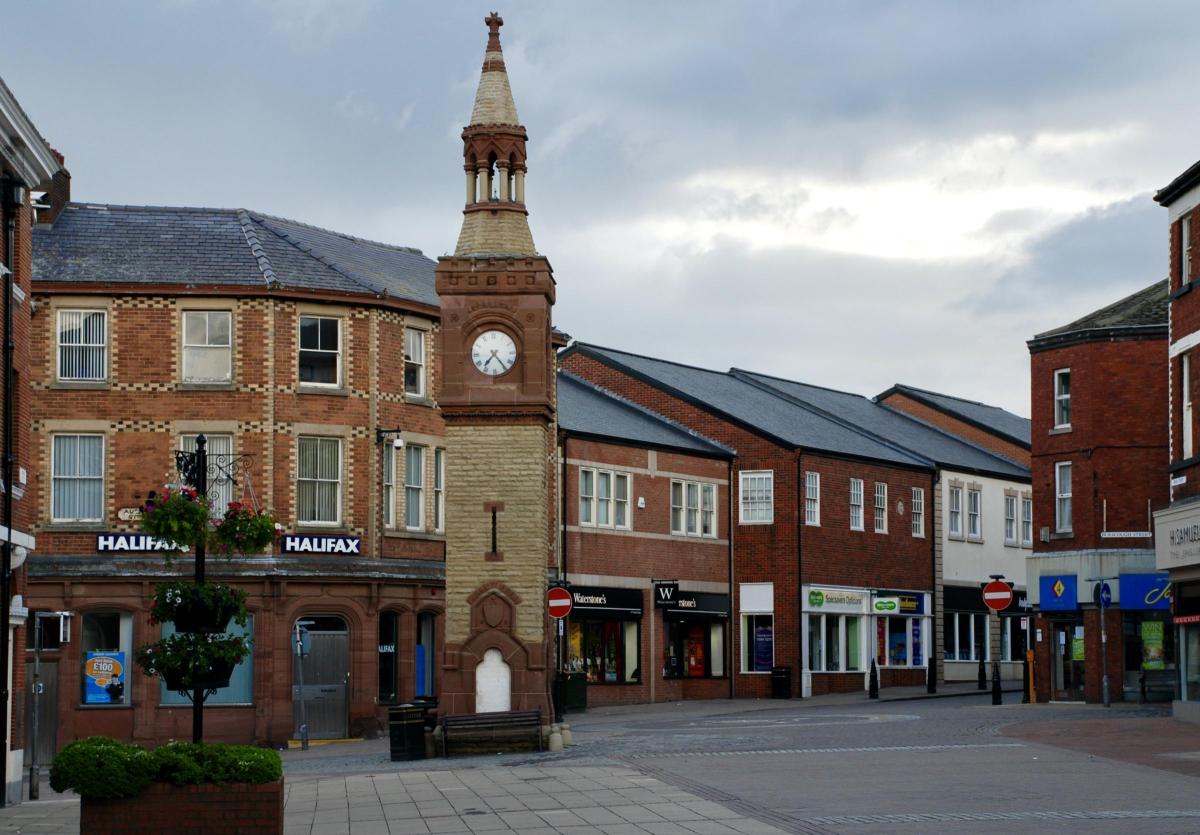
This year marks two significant local anniversaries: the 150th anniversary of the iconic Ormskirk Clock Tower and the 740th anniversary of the town's historic market.
Together, they create what those behind the project describe as a once-in-a-generation opportunity to celebrate the town's layered past.
The clock tower is itself receiving nearly £50,000 in separate restoration work, including vegetation removal, re-pointing, re-painting and mortar repairs ahead of its milestone year.
Local heritage organisations are expected to play a central role in the ginnel project. The Ormskirk Heritage Hub and the Ormskirk and District Family History Society, both of which participate in September's Heritage Open Days, are set to be involved, helping to broaden the project's reach and ensure Ormskirk's history is shared with as wide an audience as possible.
Councillor Gareth Dowling, Lead Member for Planning and Community Safety, said the project had been a long time in the making.
"This project has been in the works for some time, so I am pleased to unlock the funding to improve Ormskirk Town Centre," he said.
"These ginnels are an important part of our medieval street pattern and local identity, and this project will not only restore and illuminate them but also shine a light on the stories that make Ormskirk special.
Read more
"With a year of significant milestones ahead, this project arrives at the perfect moment to help bring Ormskirk's history to life."
Cllr Dowling also paid tribute to those who had pushed for the project behind the scenes, placing on record his "significant thanks" to Dave Mutch, Irene Slack and John Lloyd, who had spearheaded the work on behalf of the Ormskirk Community Partnership.
The ginnel restoration forms part of the council's wider Heritage, Culture and Arts Strategy for the borough, which also includes The Spark's cultural engagement programme, an initiative aimed at connecting more people with the area's history and creative life.


Share