




Find, save and share Public Notices that affect you in the area.
Search the Public Notice Portal What is the Public Notice Portal?What is the Public Notice Portal?
The Public Notice Portal carries statutory public notices published in local newspapers and is the fastest and most effective way of finding out what is happening in YOUR neighbourhood.
Search the Public Notice PortalEight new homes are set to be built on a rural farm in West Lancashire after planners gave the green light to convert a series of agricultural buildings into residential dwellings.
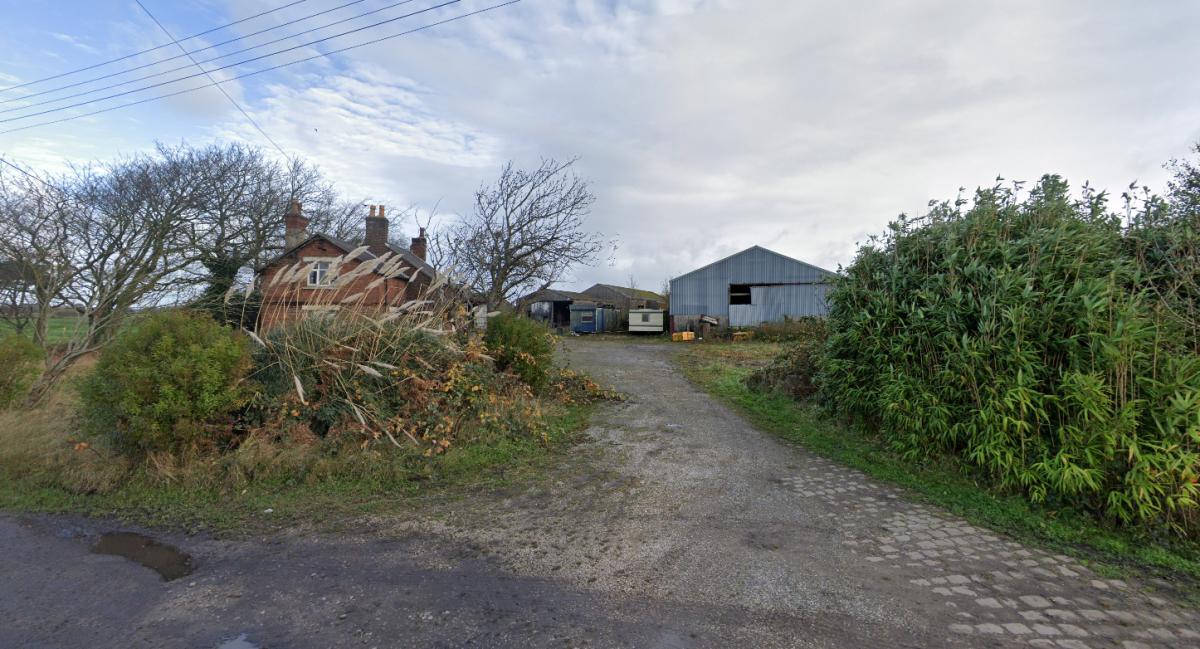
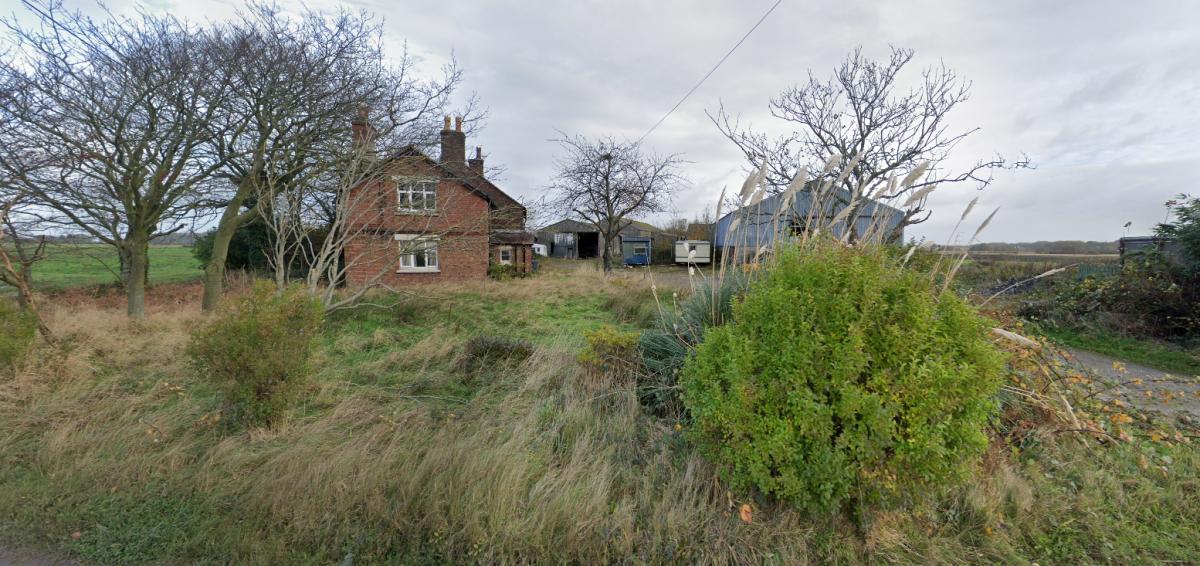
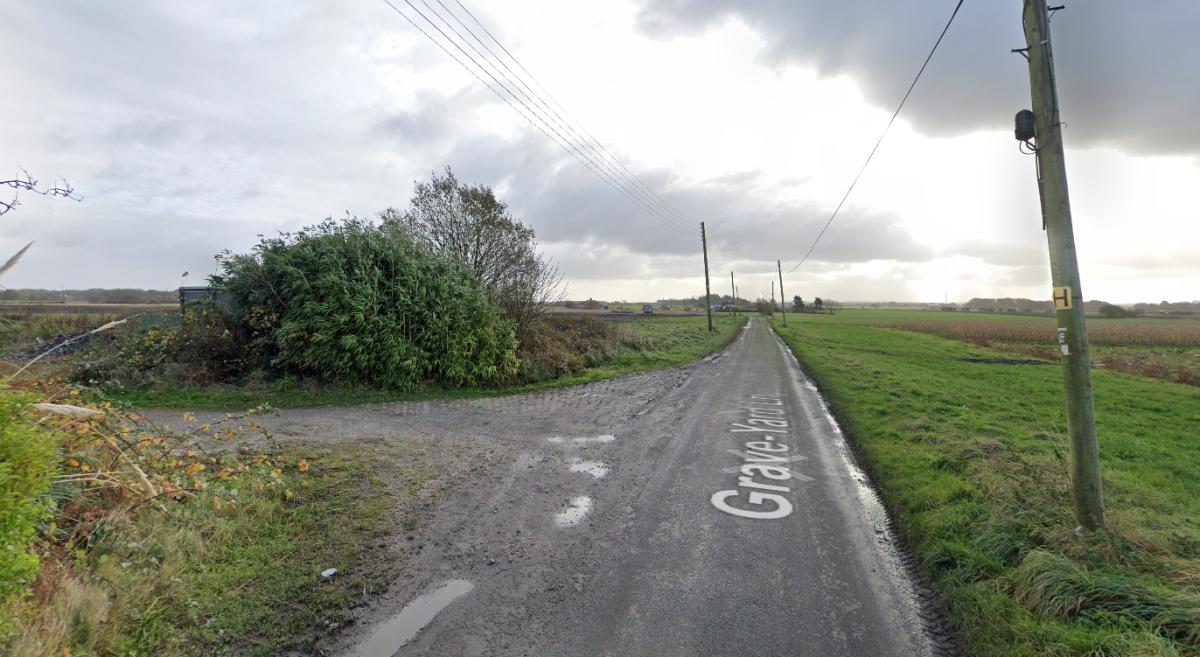
West Lancashire Borough Council has approved plans by The Stanley Trust to transform five disused farm buildings at Ashcrofts Farm, on Graveyard Lane in Bickerstaffe, near Ormskirk, into eight one-bedroom homes.
The decision, signed off on March 25, was made under permitted development rights, meaning the applicant did not require full planning permission for the change of use.
Under so-called Class Q rules, agricultural buildings can be converted into homes without the need for a traditional planning application, provided a series of conditions are met.

The council's case officer, Kerry Webster, concluded that the development complied with all relevant permitted development legislation, and that prior approval of the detailed plans was not required.
Planning agents Wignalls Chartered Surveyors, based in Tarleton, submitted the application on behalf of The Stanley Trust in January.
They argued the buildings had been used continuously for agricultural purposes for several decades and met all the necessary criteria for conversion.
The buildings are owned outright by The Stanley Trust, with no agricultural tenancy in place.
Lancashire County Council, acting as highway authority, raised no objections to the scheme, saying it would not have a significant impact on road safety or capacity in the area.
Officials did, however, set out a series of conditions around the access on Graveyard Lane, requiring it to be widened to 5.5 metres and properly surfaced and illuminated before any of the homes are occupied.
Visibility splays of 2.4 metres by 201 metres will also need to be demonstrated from the site entrance.

The council's drainage and environmental protection teams also raised no objections in principle, though both attached conditions to the approval.
A contamination survey must be carried out before building work begins. The site's long agricultural history means there is potential for contaminants, including asbestos, to be present in the ground.
Should the survey identify any issues, a full remediation scheme must be agreed with the council before any work can start.
A full drainage strategy will also need to be submitted and approved before work begins, with surface water discharge limited to three litres per second.
Each of the eight homes will be no larger than 150 square metres, in line with the legal limits for Class Q conversions.
Plans show each property will have a private outdoor amenity space, bordered by an English holly hedgerow.
Two of the plots, numbers six and seven, fall slightly short of the recommended ten-metre garden depth, but planners were satisfied that a minimum width of 14 metres on both plots compensated for this.
The site sits within the Green Belt, but planners said the conversion of the existing farm buildings would not harm its openness or the character of the surrounding countryside.
The buildings' external appearance is not expected to change significantly as a result of the works, with the scheme described as retaining the simple, utilitarian form of the original agricultural structures.
Read more
Its nearest neighbouring properties lie around 160 metres to the north and 320 metres to the south of the site, and environmental health officers raised no concerns about noise impacts on either existing or future residents.
The application is supported by a conformity statement prepared by chartered town planner Mike Sproston of Wignalls, which sets out in detail how the proposal meets every requirement of Class Q permitted development rights under the Town and Country Planning General Permitted Development Order 2015.
Class Q conversions have become an increasingly common route for landowners to bring redundant farm buildings back into use, particularly in rural areas where housing supply remains tight. West Lancashire, like many rural districts, faces ongoing pressure to deliver new homes while protecting its Green Belt and agricultural land.
The development must be completed within three years of the decision date of March 25.


Share